
Dia de Los Muertos Weekend
November 7th, 2026
- 00Days
- 00Hours
- 00Minutes
- 00Seconds
Keep scrolling to learn more about the event and about the Día de los Muertos holiday.
Join us in the Cultural Arts District in Denison, Texas for Día de Los Muertos Weekend!
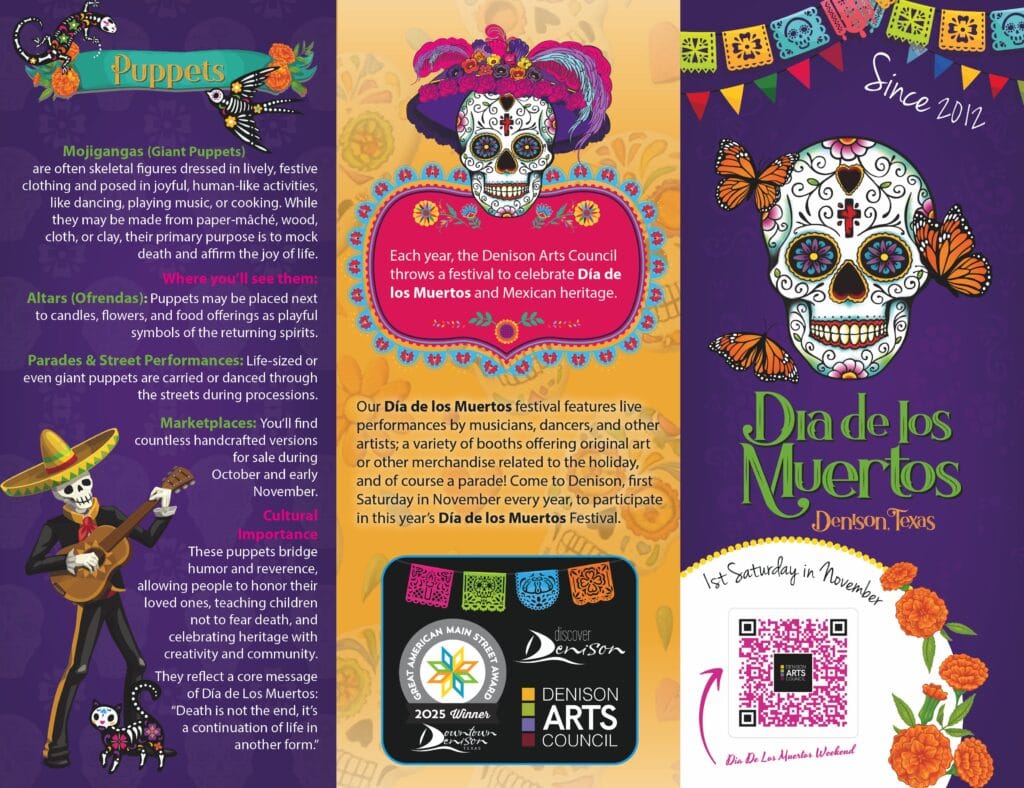
Each year, the Denison Arts Council throws a festival to celebrate Día de los Muertos and Mexican heritage. To celebrate the rich culture of Mexico and the Day of the Dead, we aim to provide accessible education about the holiday and the country in which it developed, platform artists and performers with Mexican heritage, and create a welcoming space for all who come to visit us in Downtown Denison.
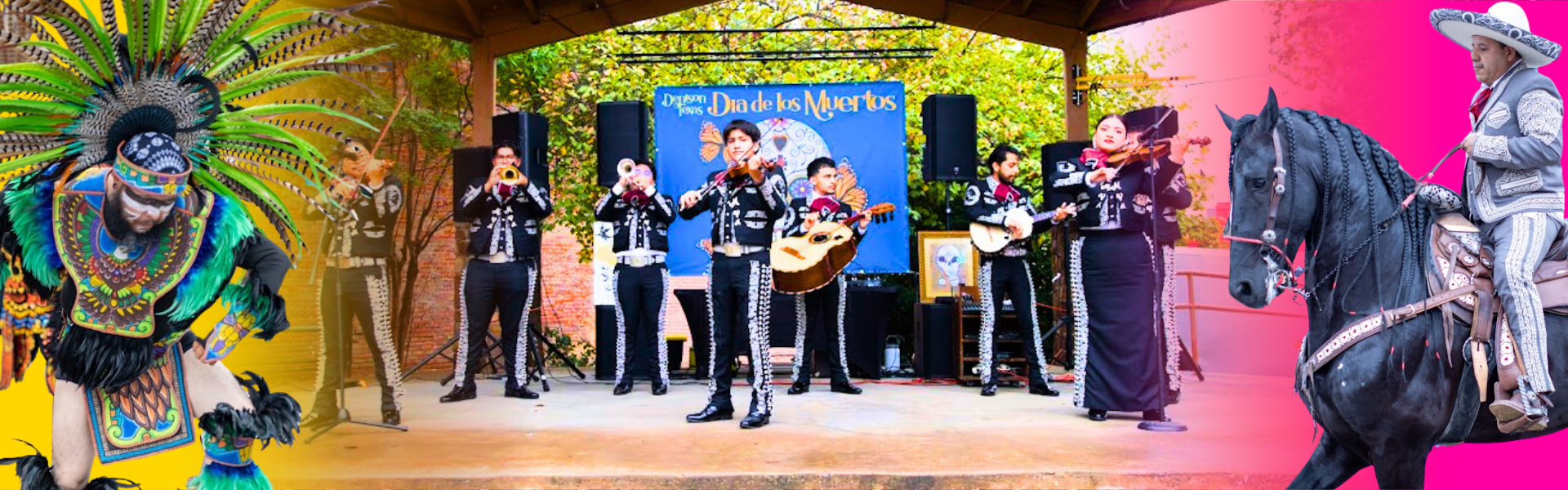
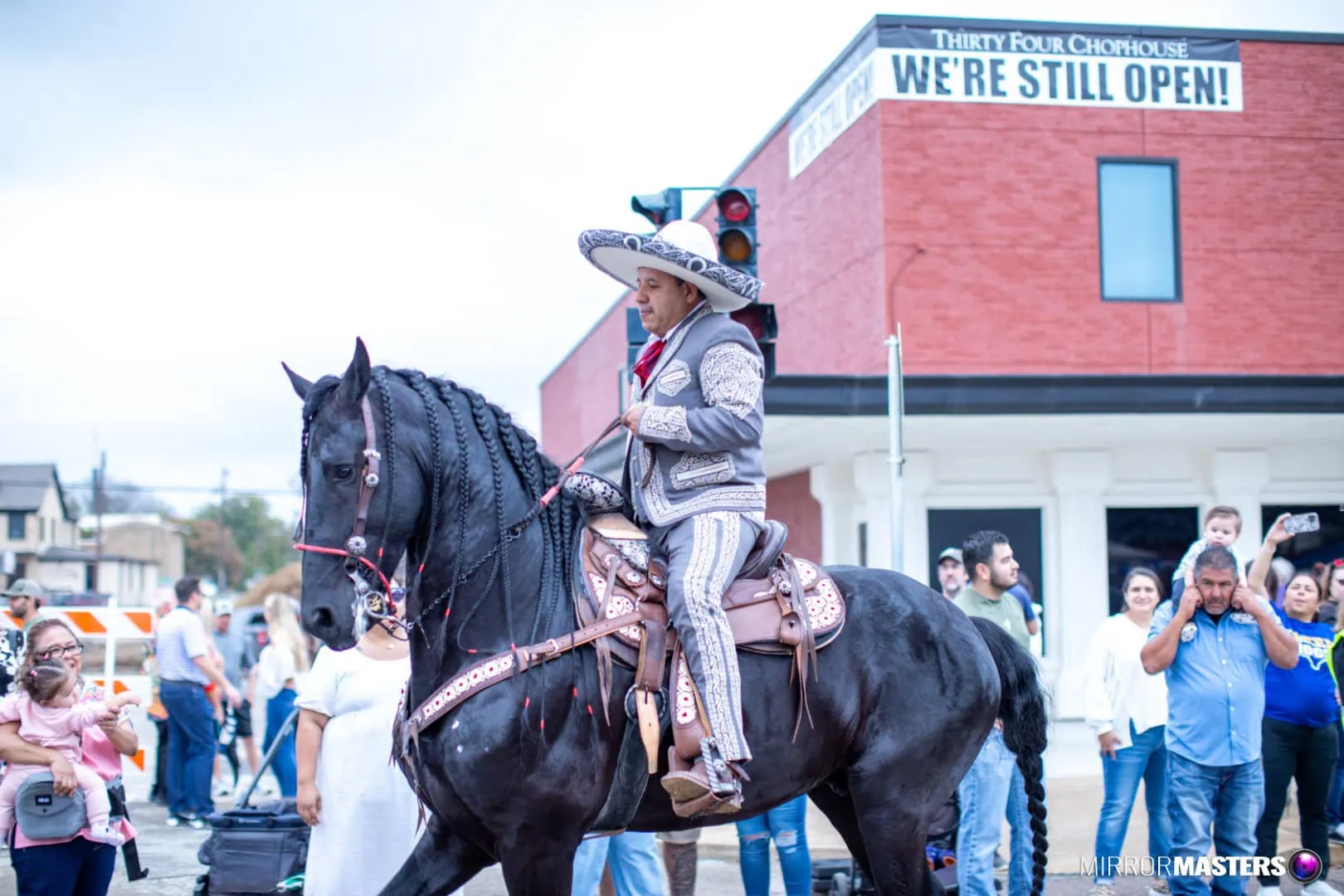
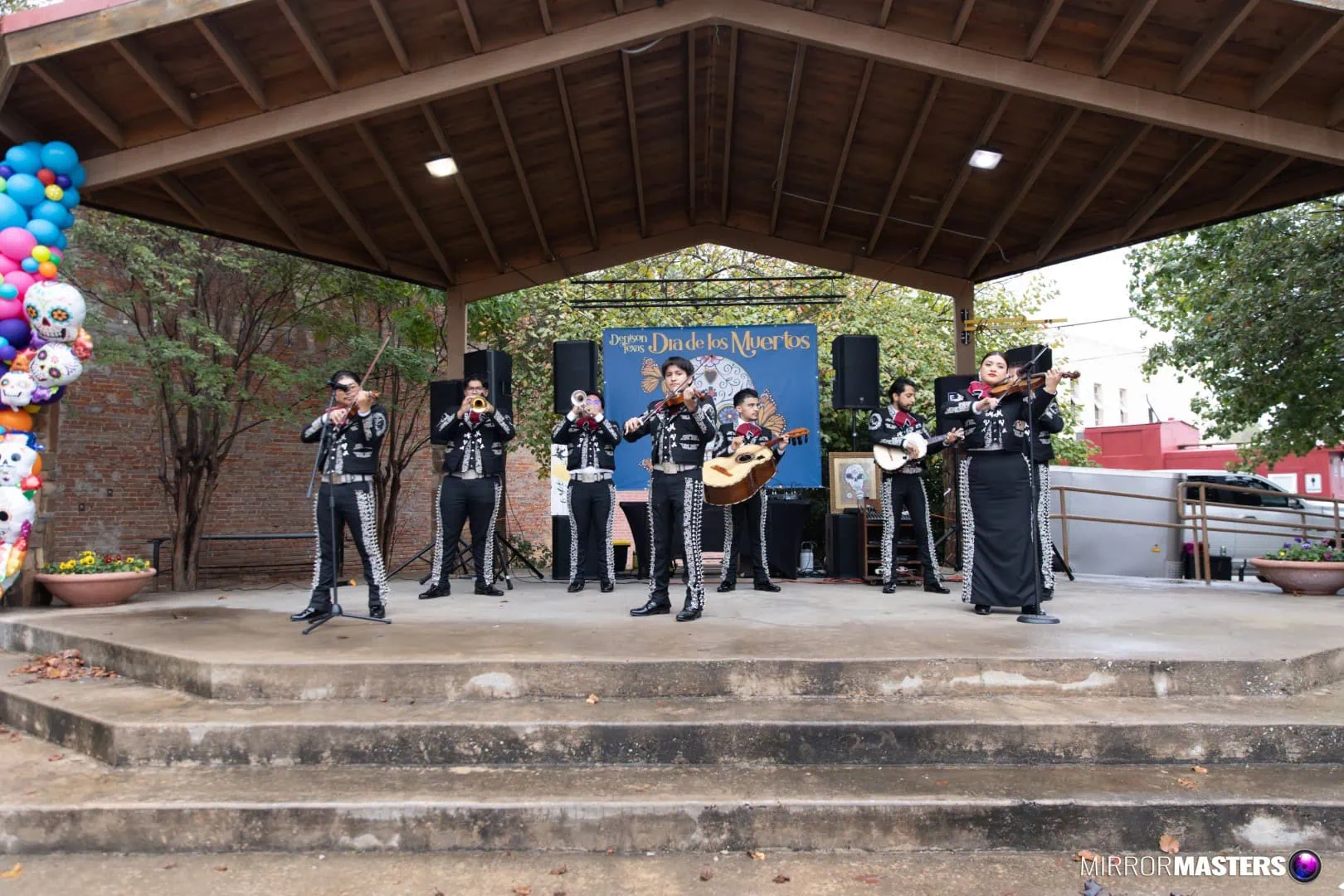
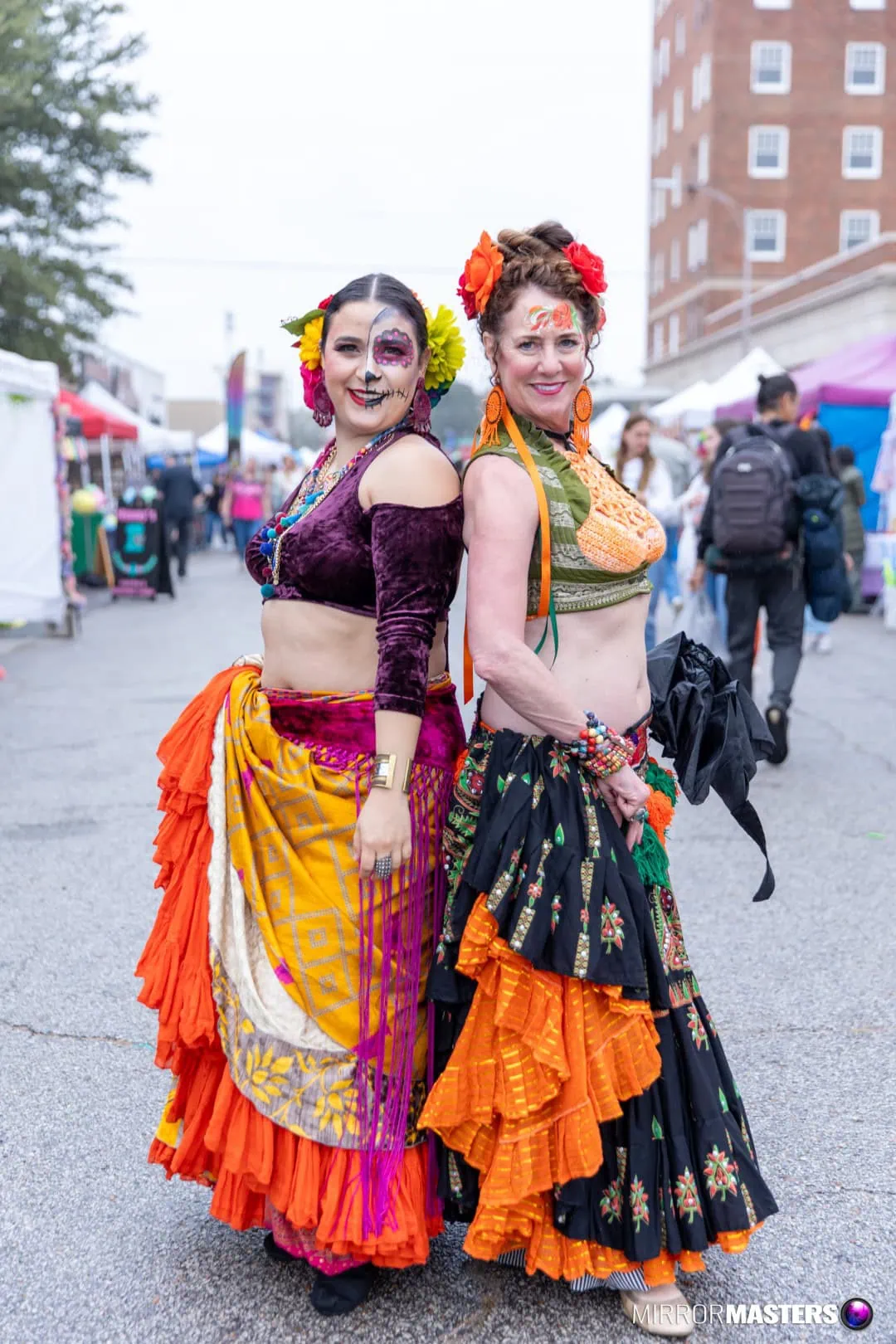
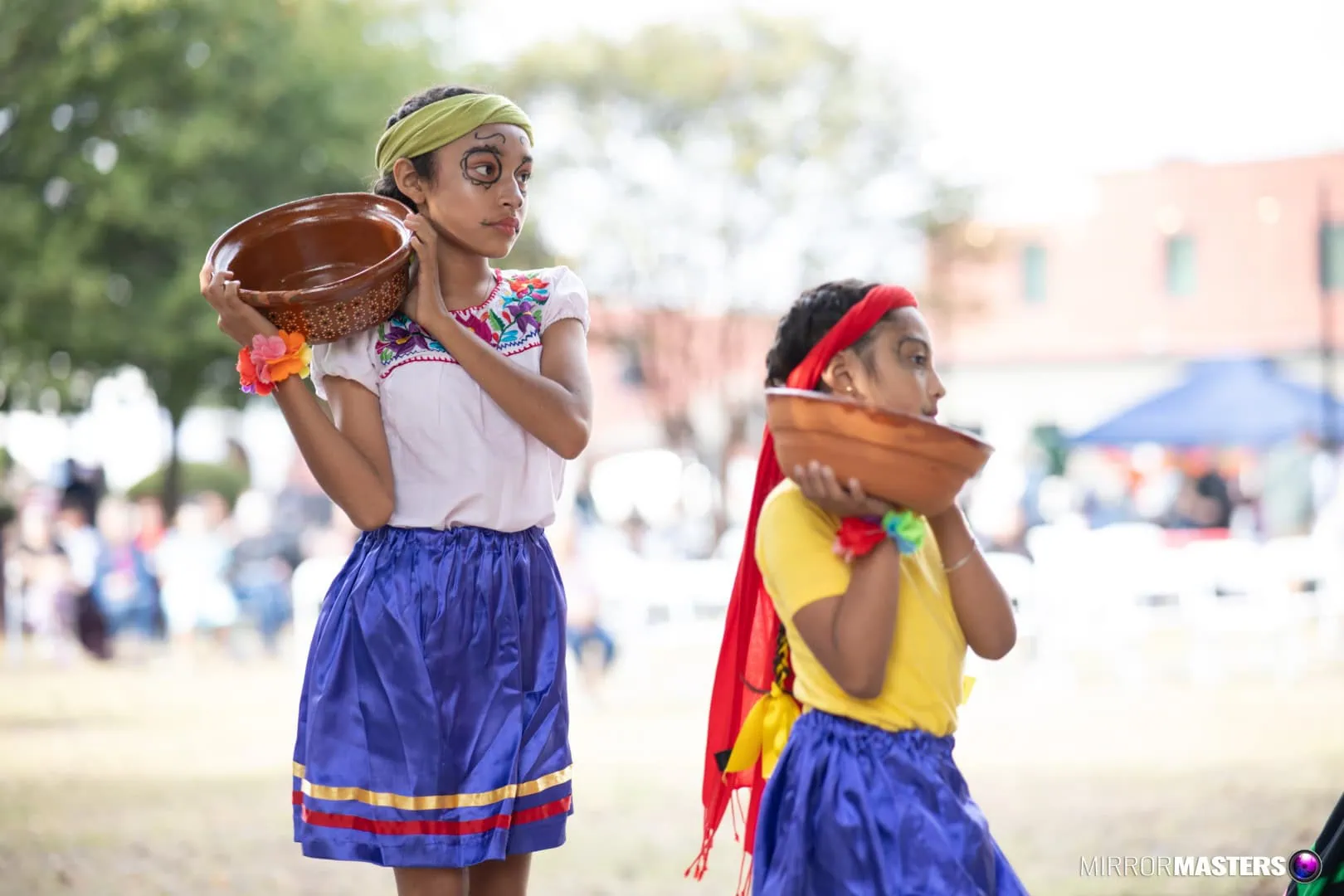
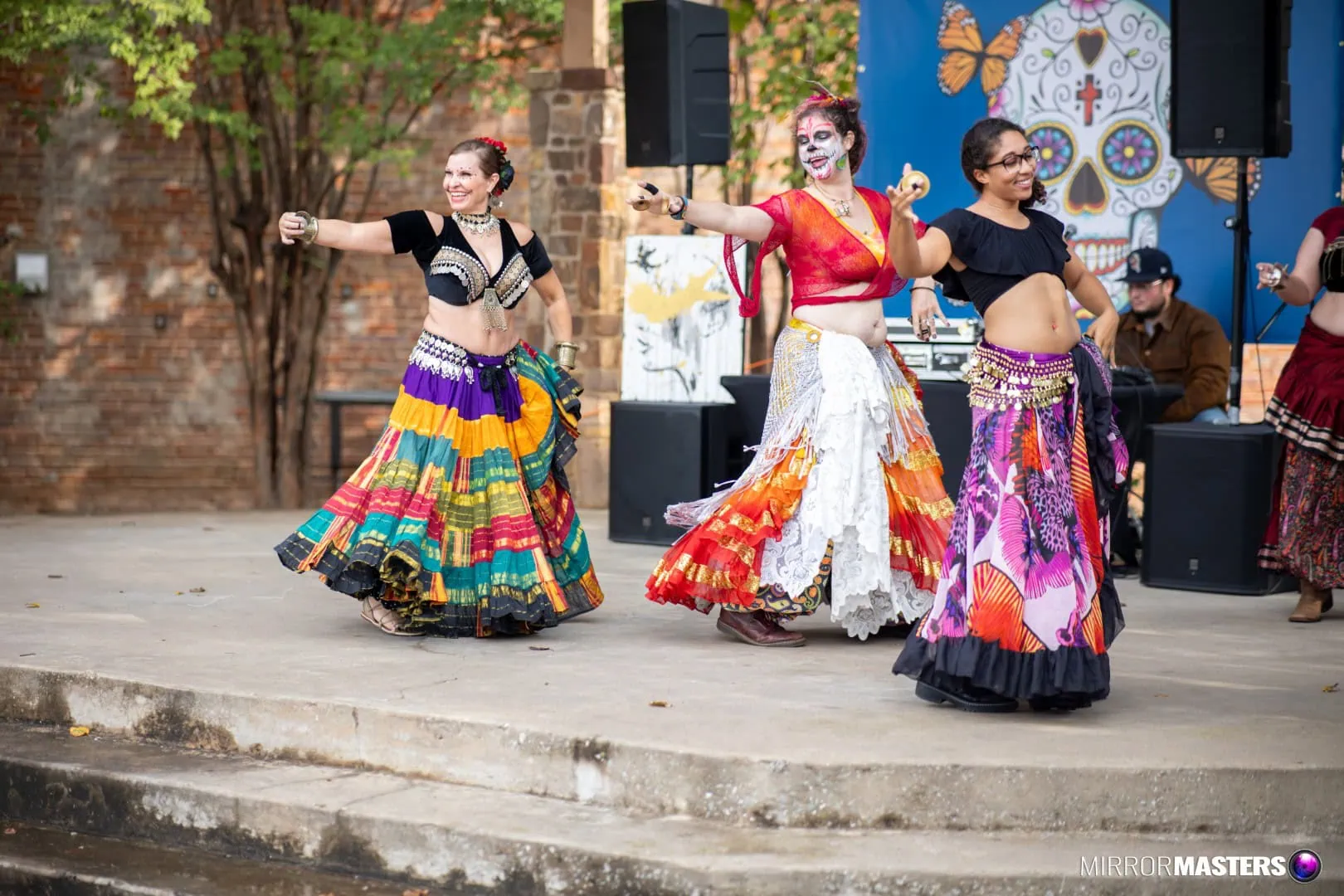
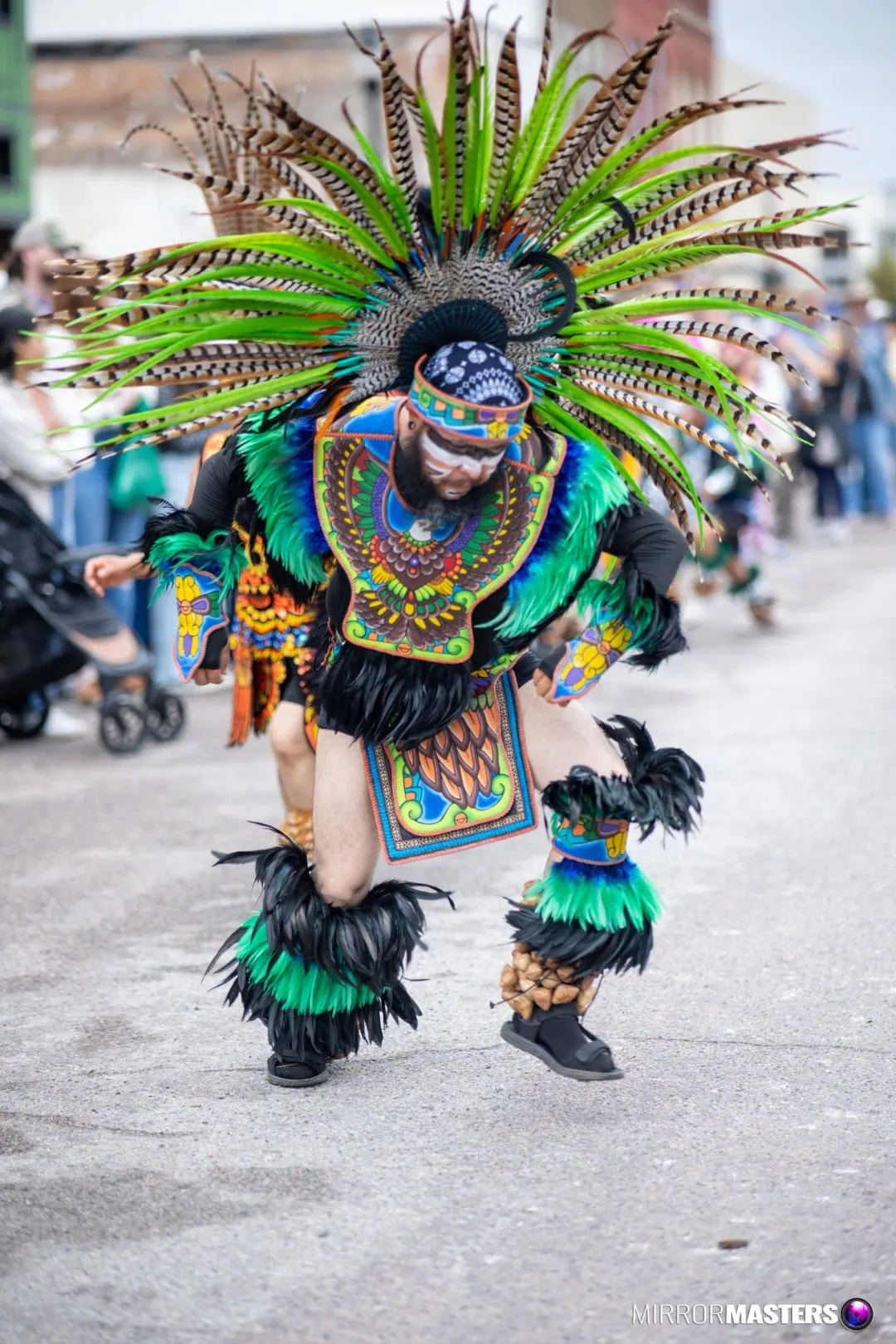
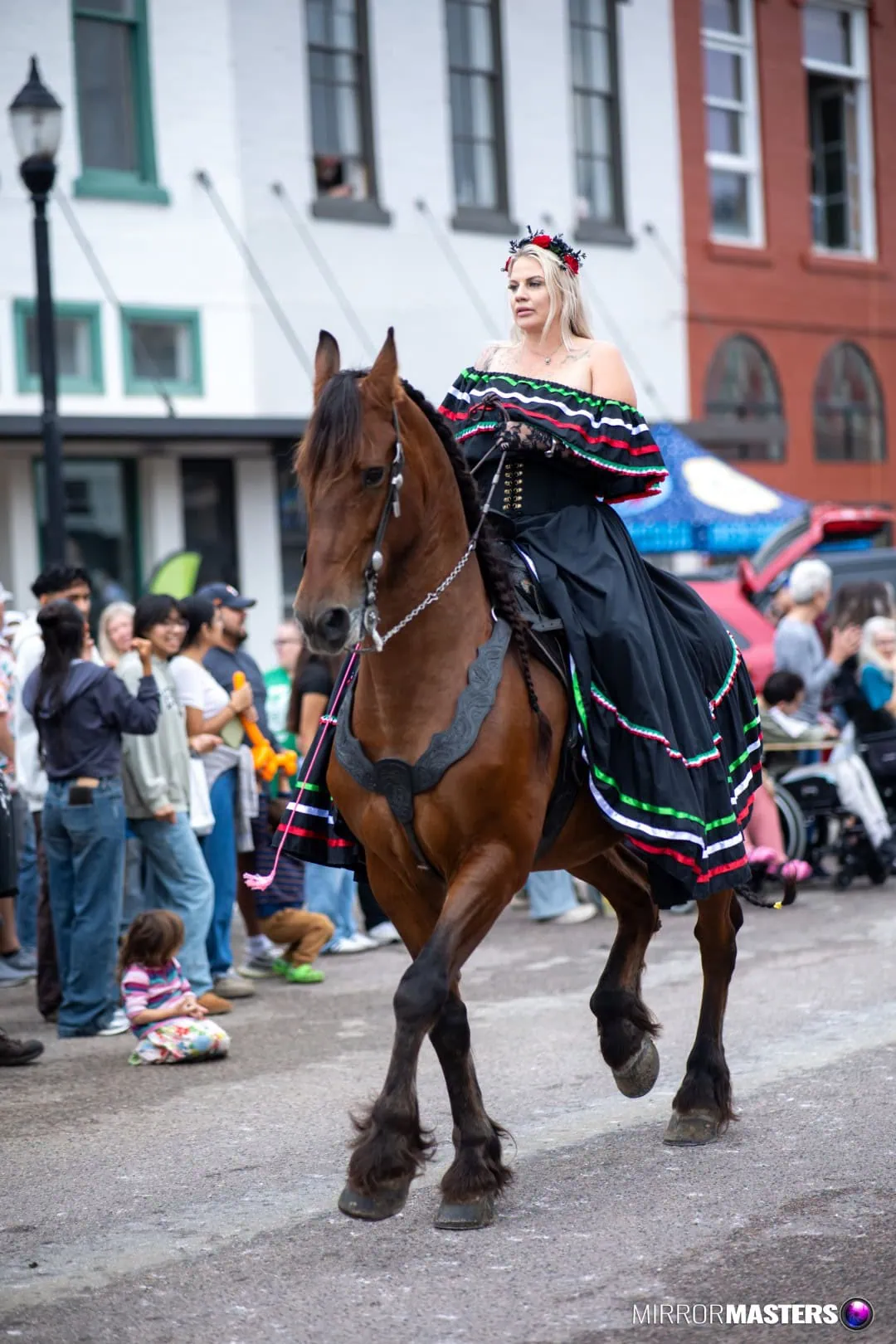
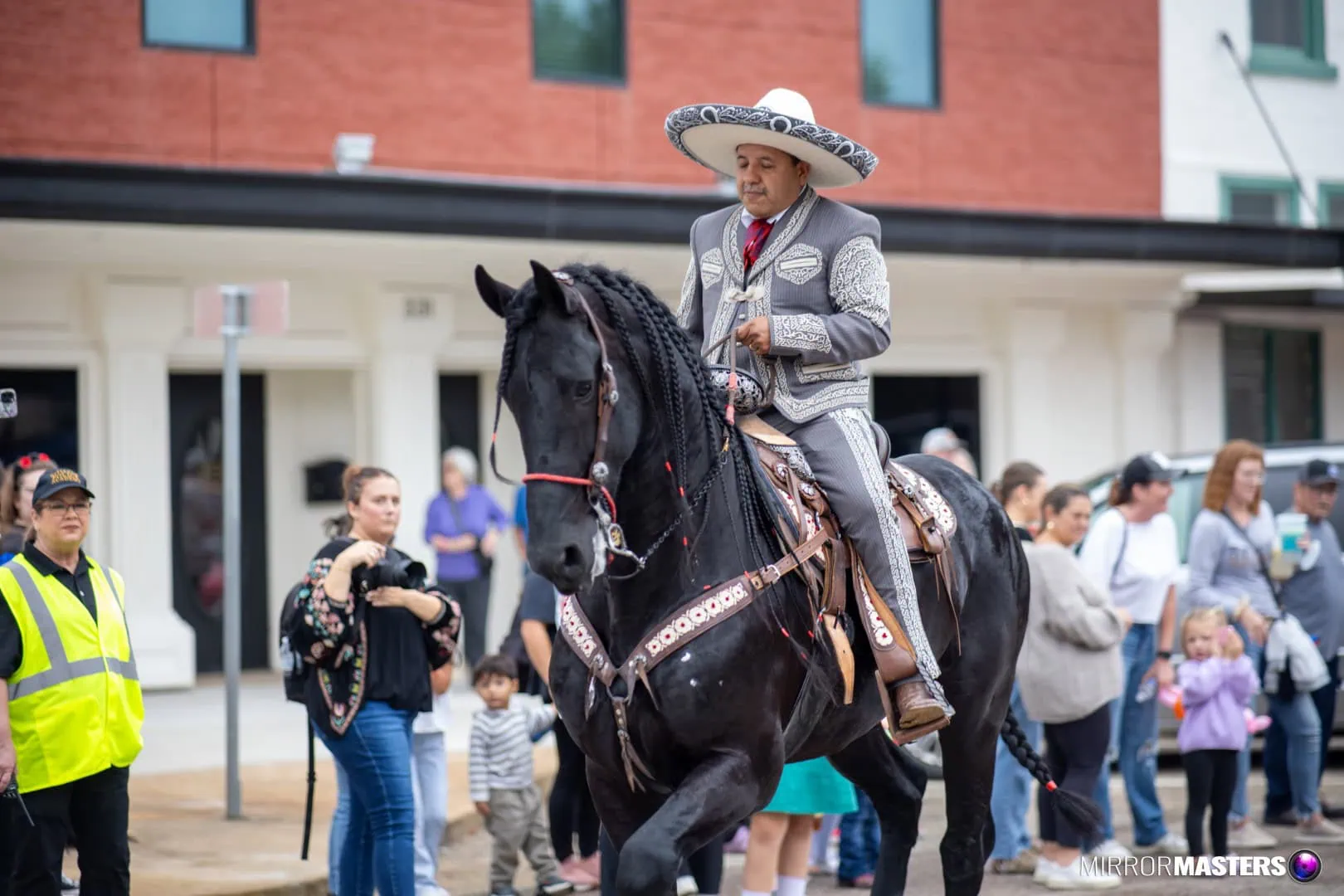
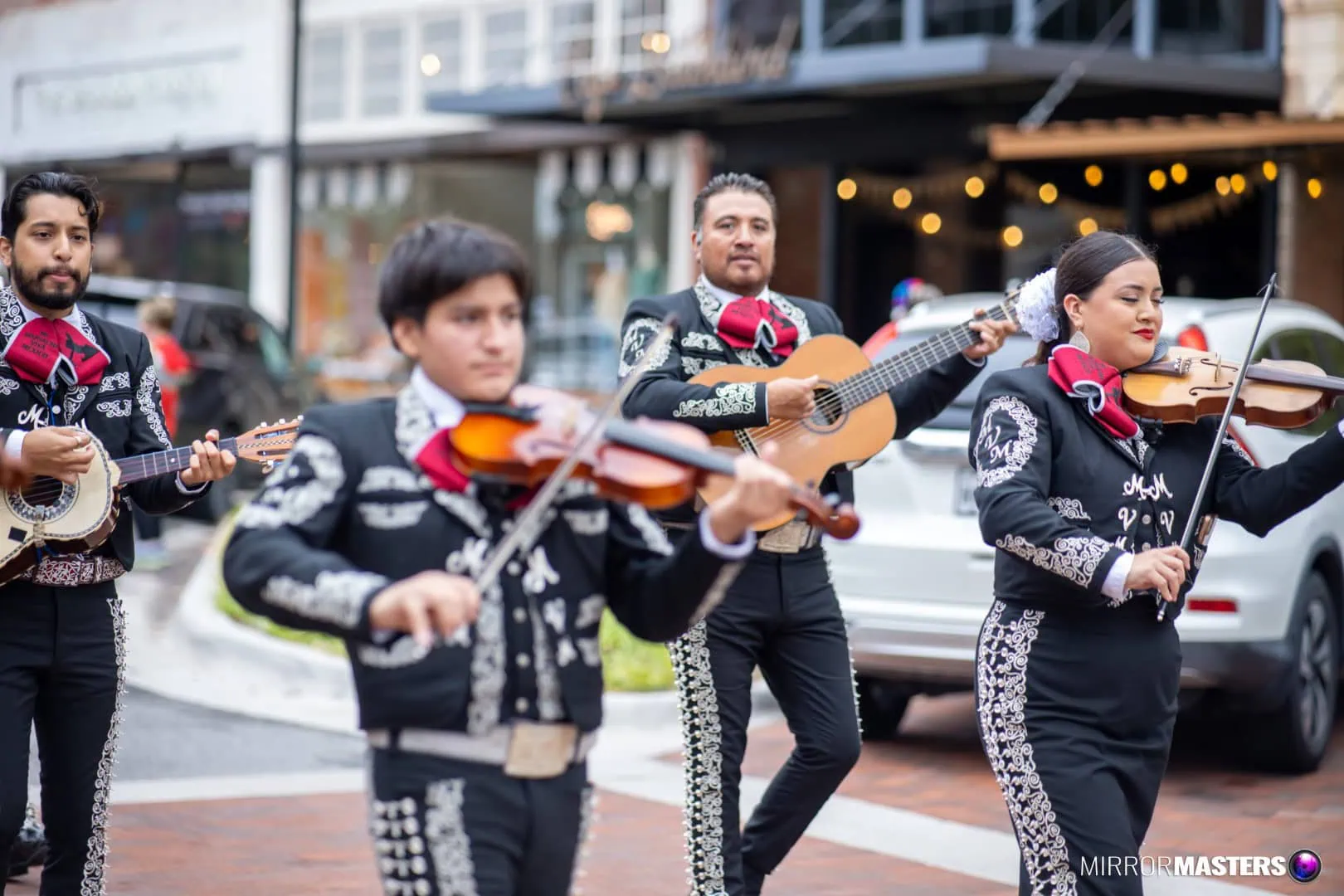
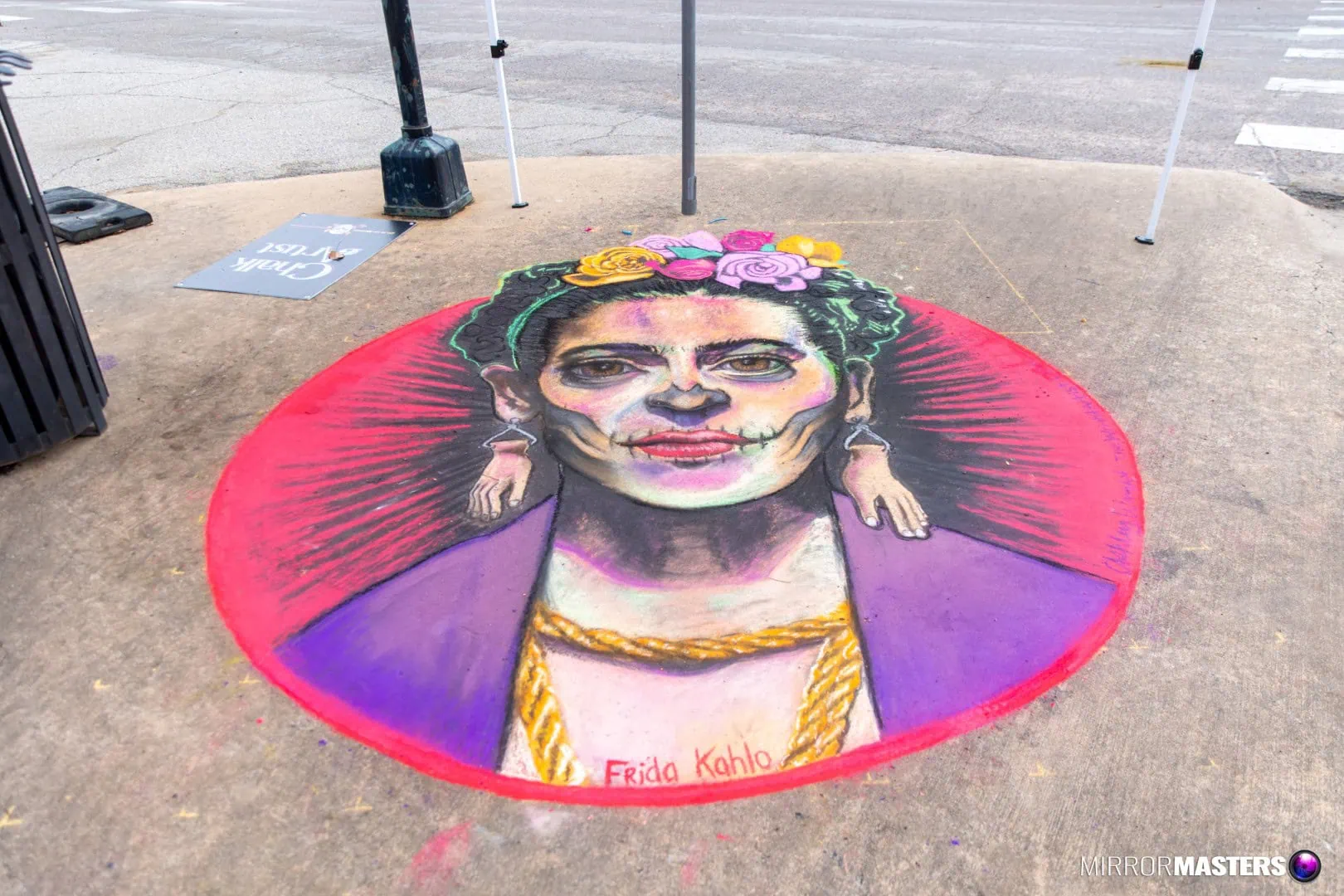
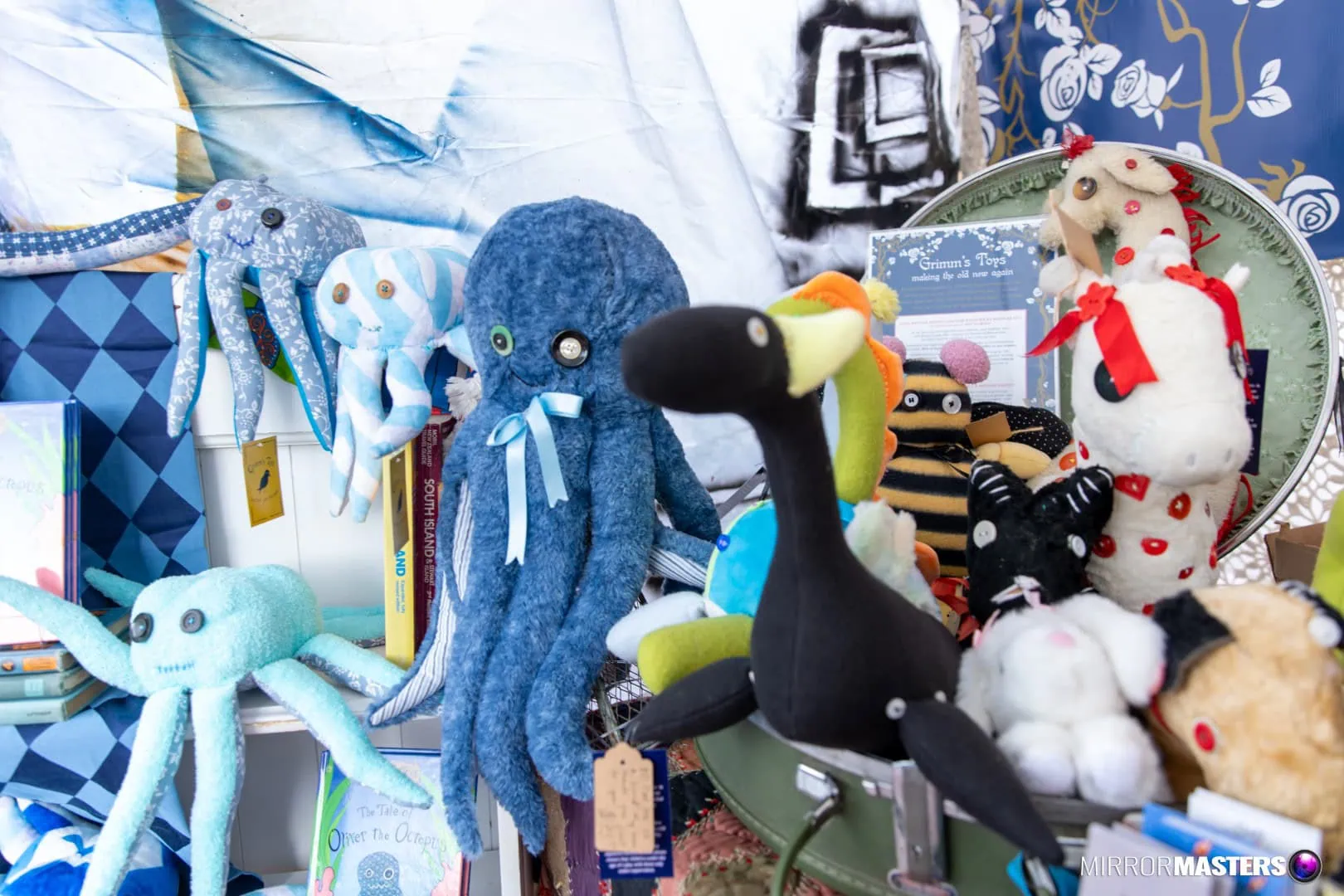
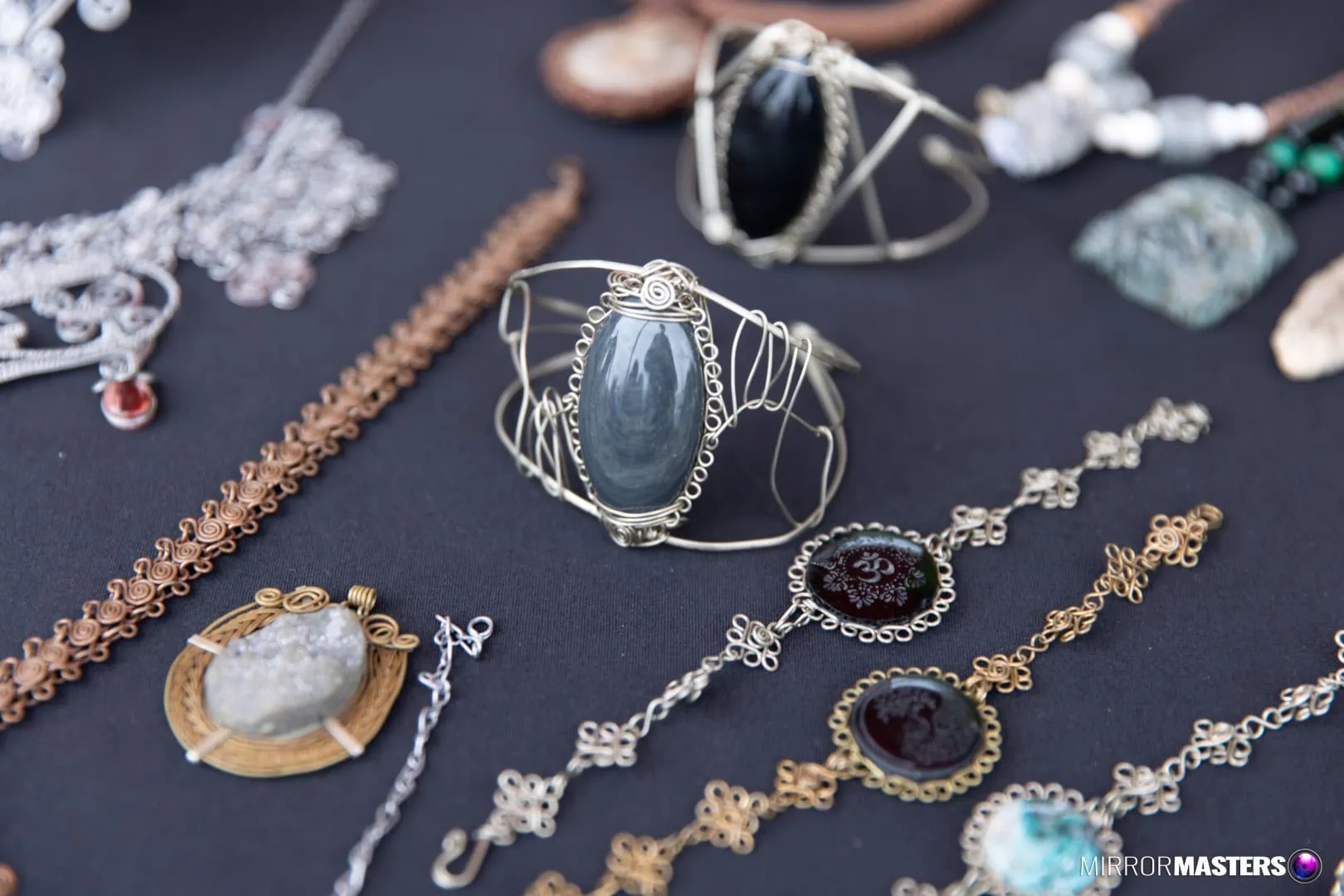
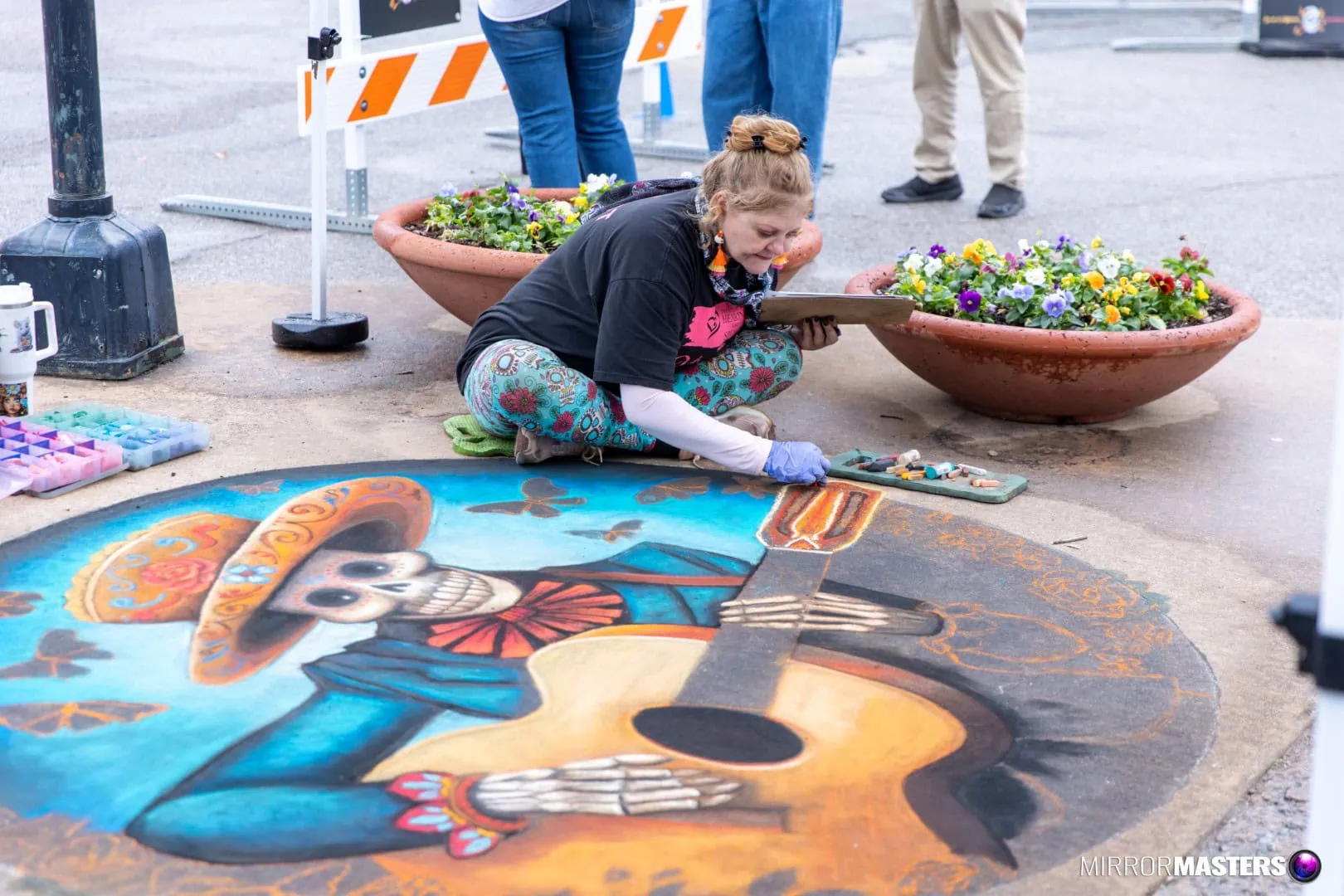
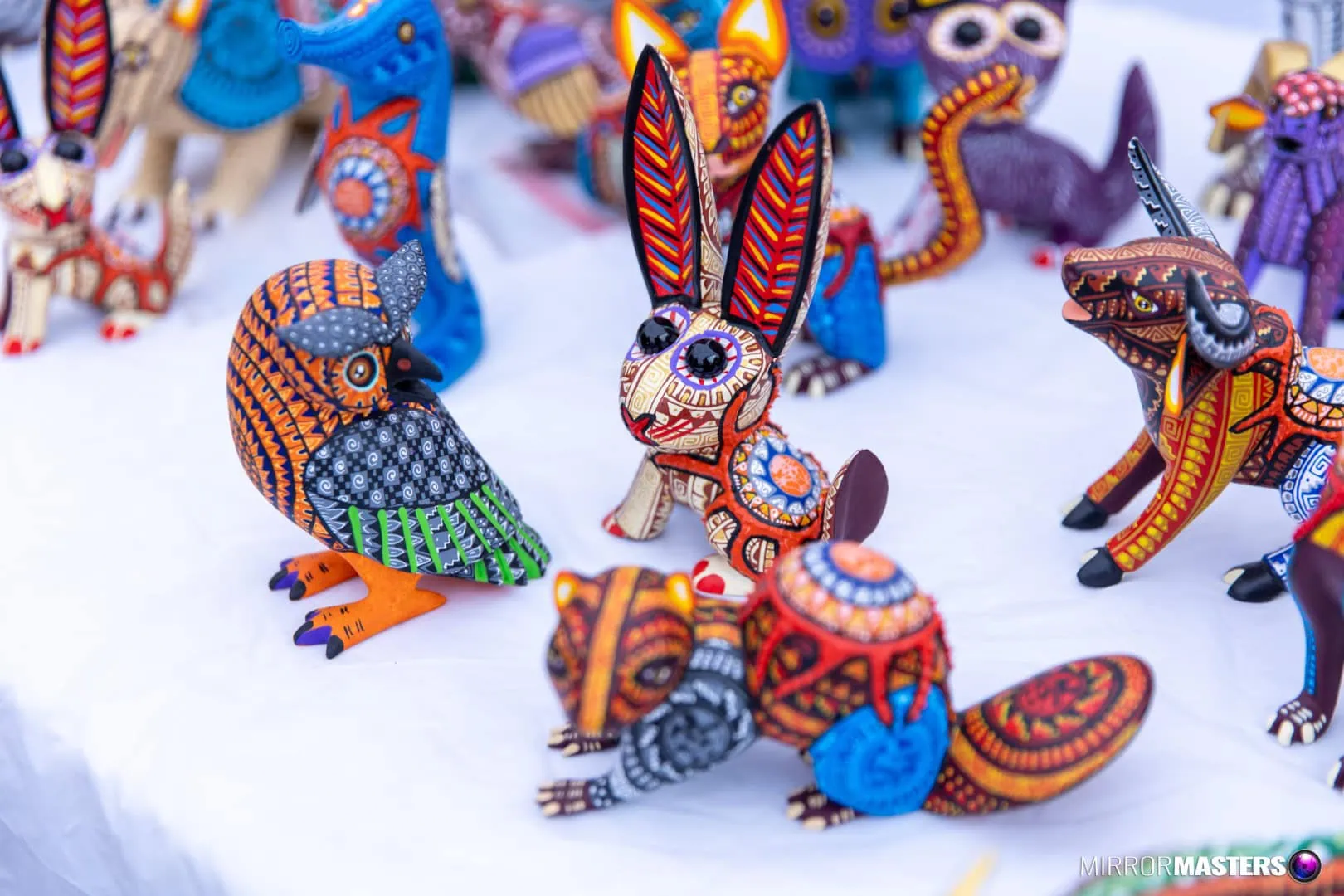
Our Día de los Muertos festival features live performances by musicians, dancers, and other artists; a variety of booths offering original art or other merchandise related to the holiday, and of course a parade! Come to Forest Park in Denison on November 1st to participate in this year’s Día de los Muertos Festival.
Dia de Los Muertos on Main Street
During the week of Día de los Muertos, businesses throughout Downtown Denison will be celebrating with beautiful window displays, and ofrendas. Visitors can stroll through our historic business district and to admire the vibrant and artistic displays that honor the cultural traditions of Día de los Muertos. While you’re here, step in and explore all of our local stores, coffee shops, and restaurants! Many shops will have unique items for sale to pay homage to the holiday.
PARADE & VENDOR APPLICATIONS
Are you interested in participating in the 2026 Día de los Muertos Festival as a parade performer or vendor? Click the buttons below to get more information and apply.
The Enduring History and Significance of Día de los Muertos
Día de los Muertos, or Day of the Dead, is a vibrant and deeply meaningful Mexican holiday that celebrates life and honors those who have passed away. Far from a somber occasion, it is a joyous and colorful reunion, a time when families welcome the spirits of their ancestors back for a brief, beautiful visit.
Ancient Roots: A Legacy of Reverence
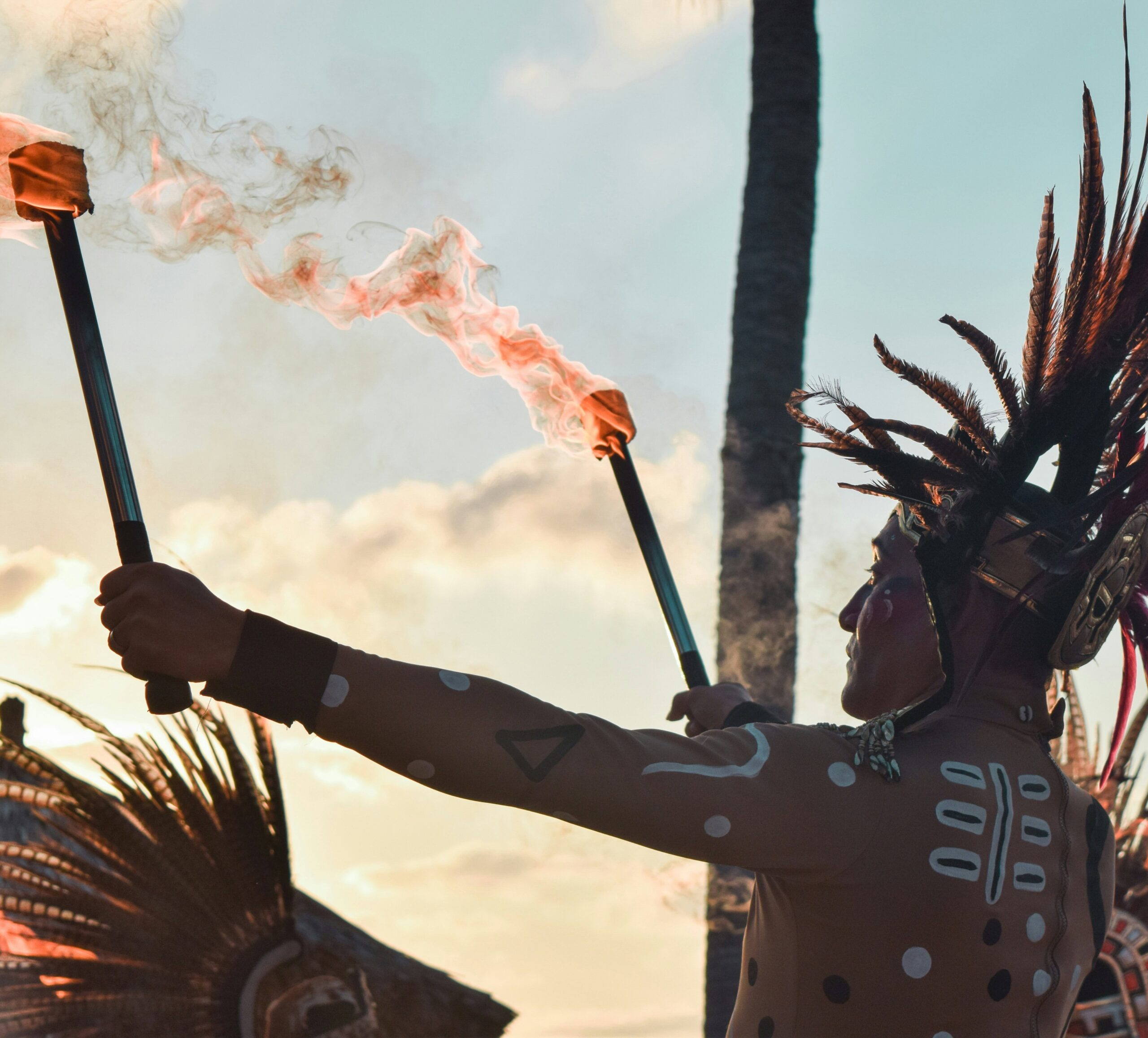
The origins of Día de los Muertos trace back thousands of years to pre-Hispanic Mesoamerican cultures, particularly the Aztecs, Mayans, Toltecs, and Nahua people. For these ancient civilizations, death was not an end but a continuation of life, a natural phase in an endless cycle. They believed that mourning the dead was disrespectful, as the departed continued to exist in the afterlife.
In Aztec tradition, rituals honoring the dead took place during the ninth month of the Aztec calendar, presided over by the goddess Mictecacíhuatl, known as the “Lady of the Dead.” These celebrations often involved offerings, dances, and ceremonies dedicated to ancestors and the underworld. Skulls were prominent symbols, representing rebirth and the cycle of life and death, often kept as trophies or used in rituals.

Evolution and Syncretism: A Blending of Cultures
When the Spanish conquistadors arrived in the 16th century, they attempted to convert the indigenous populations to Catholicism. Finding it difficult to eradicate these deeply rooted ancestral traditions, the Spanish missionaries gradually merged them with Catholic beliefs, particularly All Saints’ Day (November 1st) and All Souls’ Day (November 2nd).
This syncretism gave birth to the modern Día de los Muertos. The indigenous reverence for death and ancestors combined with Catholic dates and elements like candles and specific prayers, creating a unique hybrid celebration. The pre-Hispanic rituals, originally held in the summer, shifted to align with the Christian observances, moving to the beginning of November.
Significance Today: A Celebration of Life and Connection
Today, Día de los Muertos is recognized globally as a UNESCO Intangible Cultural Heritage of Humanity. It remains a cornerstone of Mexican culture and is celebrated with immense pride and joy. The holiday serves several profound purposes:
Honoring Ancestors
It is a dedicated time to remember and honor deceased loved ones, keeping their memories alive and acknowledging their continued presence in the family's life.
Celebrating Life
Despite its focus on death, Día de los Muertos is fundamentally a celebration of life. It reminds us to cherish the living and to appreciate the cycle that connects all generations.
Cultural Identity
The holiday reinforces a strong sense of cultural identity and continuity, connecting contemporary Mexicans to their rich indigenous heritage.
Community Bonds
Families come together to clean and decorate graves, build elaborate ofrendas (altars), and share stories, strengthening community and familial ties.
Overcoming Fear
By engaging with death in a festive and familiar way, the holiday helps demystify it and lessen its fear, fostering a healthier perspective on mortality.
Through vibrant ofrendas laden with marigolds, favorite foods, and personal mementos, spirited parades with calaveras (skeletons), music, and dancing, Día de los Muertos is a testament to the enduring human spirit and the beautiful belief that love transcends even death.
Special Symbols of Día de los Muertos
Día de los Muertos is full of special items and decorations. Each one has a meaning and helps us celebrate and remember our loved ones.
Bright Orange Marigolds (Cempasúchil)
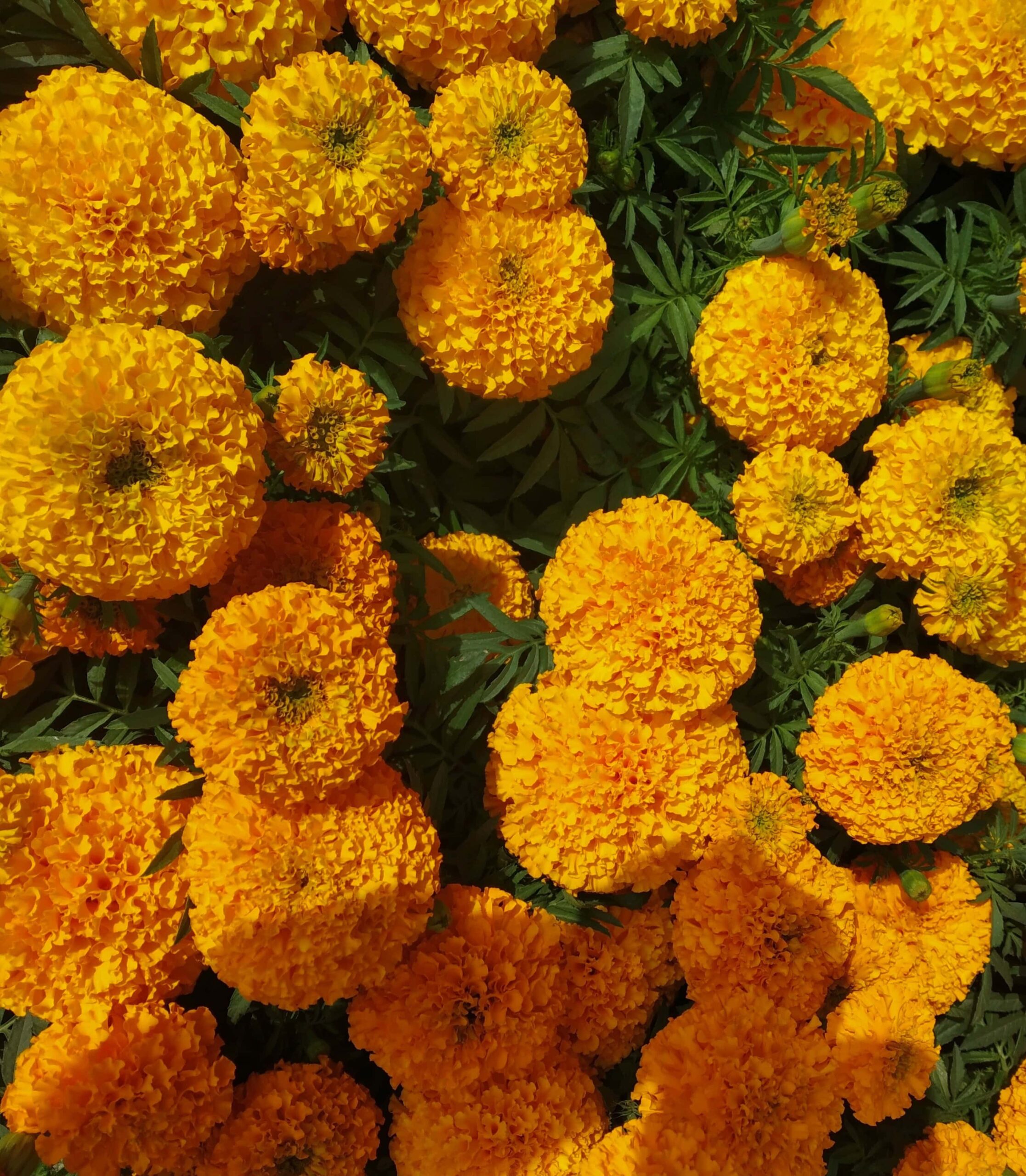
You’ll see lots of bright orange and yellow flowers everywhere during Día de los Muertos! These are called marigolds, or cempasúchil (sem-pah-SOO-cheel) in Spanish. People believe their strong, sweet smell and bright color help guide the spirits of our loved ones back home to their families. It’s like a bright, fragrant path for them!
Friendly Skulls (Calaveras)
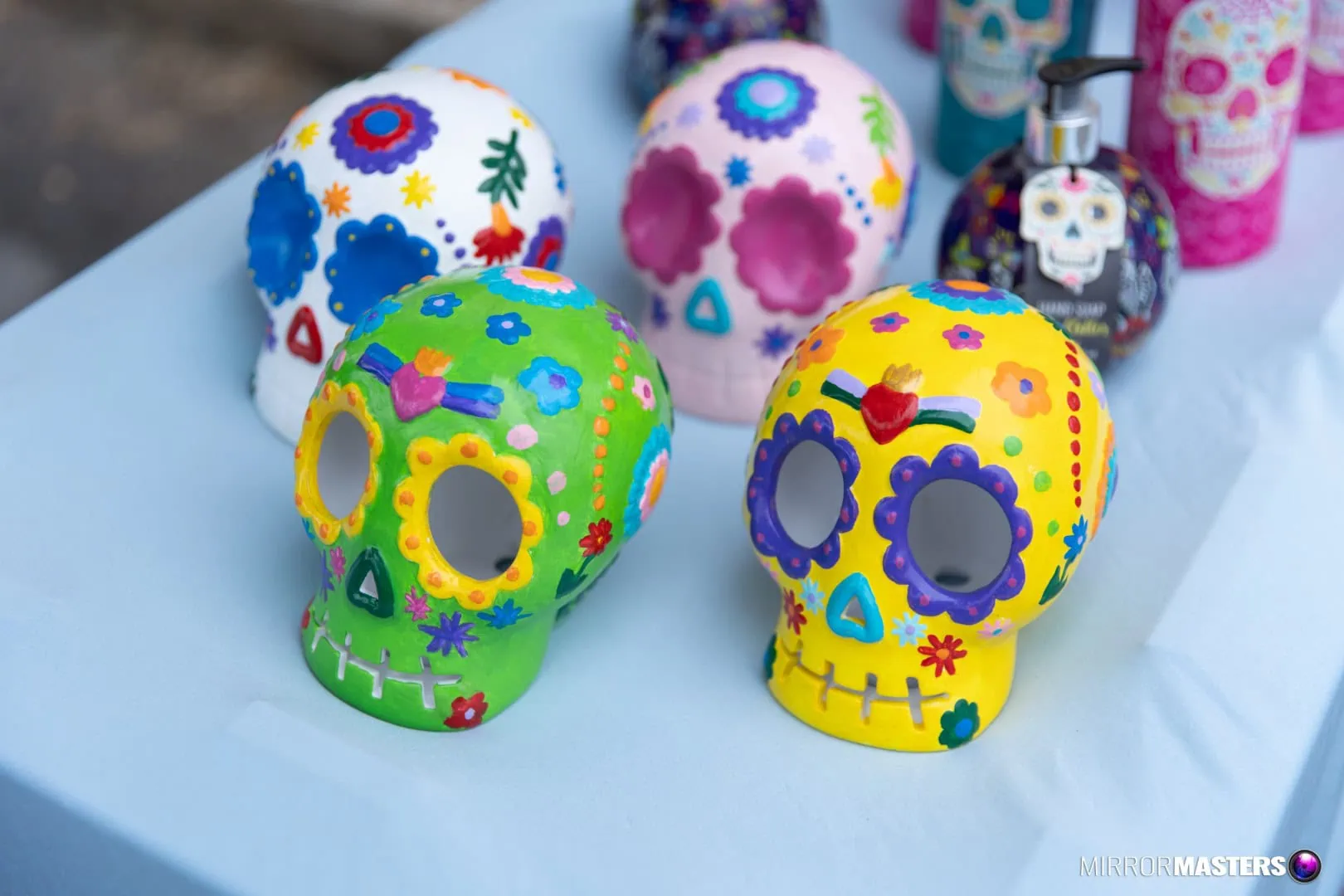
Calaveras (kah-lah-VEH-rahs) are skulls, but they are not meant to be scary. In Día de los Muertos, skulls are friendly and colorful. They remind us that death is a natural part of life and that we should not be afraid. You might see:
- Sugar Skulls: Sweet treats made of sugar, decorated with bright colors and glitter. Sometimes they have names written on them.
- Decorated Skulls: Art made with skulls, often smiling or wearing hats. These show that we can celebrate and laugh even when we think about death.

Monarch Butterflies
Every fall, millions of monarch butterflies fly a very long way from Canada and the U.S. to Mexico. They arrive around the time of Día de los Muertos! Many people in Mexico believe that these beautiful butterflies carry the spirits of their ancestors who are coming back to visit. It’s a magical connection between nature and tradition.
Bread of the Dead (Pan de Muerto)
Pan de Muerto (pahn deh MWEHR-toh) means “Bread of the Dead.” It’s a special, sweet bread baked only for this holiday. It’s often round, with little bone shapes or teardrops made of dough on top, sprinkled with sugar. Eating this bread is a way to celebrate life and share a meal with the returning spirits of loved ones. It’s delicious and a symbol of the joy and warmth of the holiday.
Ofrenda (oh-FREN-dah)
What it means: An “ofrenda” is a special altar or a place where families put things to welcome and remember their loved ones who have passed away.
What you might see: It’s usually decorated with flowers, candles, photos, food, drinks, and special things the person liked when they were alive. It’s like a special welcome mat for their spirits!
Calavera (kah-lah-VEH-rah)
What it means: “Calavera” means skull.
What you might see: During Día de los Muertos, you’ll see friendly, colorful skulls everywhere! They can be made of sugar (sugar skulls), clay, or drawn on paper. They are not scary; they are a happy reminder that death is part of life and we should celebrate it.
Cempasúchil (sem-pah-SOO-cheel)
What it means: This is the name for the bright orange and yellow marigold flowers.
What you might see: These beautiful flowers are used to decorate altars and graves. People believe their bright color and strong smell help guide the spirits of loved ones back home to visit.
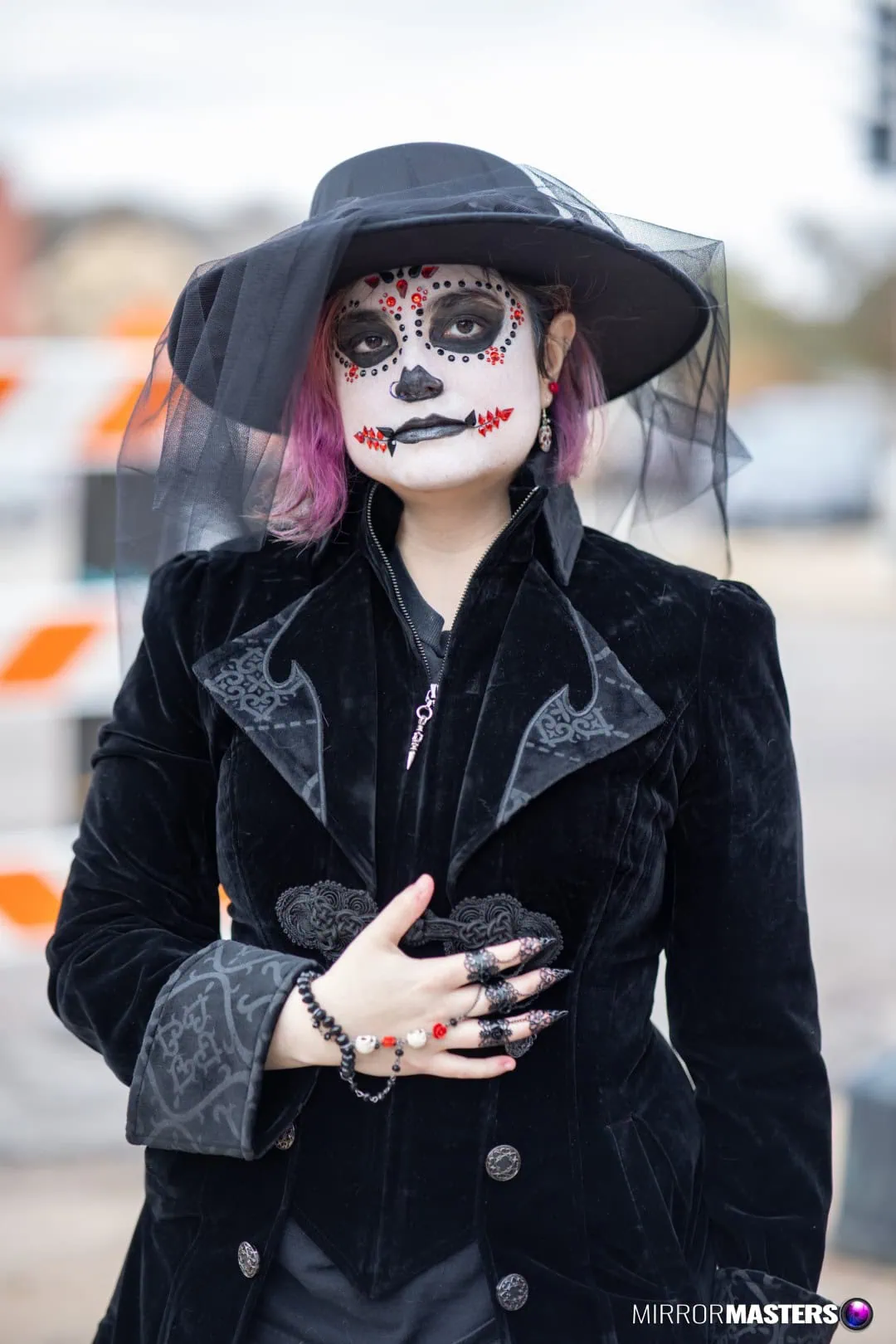
Catrina (kah-TREE-nah)
What it means: This is a famous elegant skeleton figure, usually wearing a fancy hat.
What you might see: La Calavera Catrina was first drawn by an artist named José Guadalupe Posada. She reminds us that rich or poor, everyone ends up as a skeleton, so we should enjoy life. Many people dress up like her during the festival!
Papel Picado (pah-PEL pee-KAH-doh)
What it means: This means “punched paper” or “perforated paper.”
What you might see: These are colorful paper banners with designs cut out of them. They flutter in the breeze and are used to decorate altars and streets. They represent the fragile nature of life and the joy of the celebration.
Mariachi (mah-ree-AH-chee)
What it means: This is a type of traditional Mexican music.
What you might hear: You might hear Mariachi bands playing lively and festive music during the festival. It’s often played with trumpets, violins, and guitars, bringing joy and celebration.
Pan de Muerto (pahn deh MWEHR-toh)
What it means: This means “Bread of the Dead.”
What you might see: It’s a special, sweet bread baked just for Día de los Muertos. It’s often round with little dough “bones” or “teardrops” on top, dusted with sugar. Families share it to celebrate life and offer it to spirits.
Confirmed Performers
Coming Soon!
Main Stage Schedule
10:00-10:30
Coming Soon!
10:30-11:00
11:00-11:30
11:30-12:00
12:00-12:45
12:45-1:15
1:15-1:30
1:30-2:00
2:00-2:30
Parade!
2:30-3:00
3:00-3:30
3:30-4:00
4:00-4:15
4:15-5:00
Denison Día de los Muertos Festival Gallery

To learn more about Día De Los Muertos celebrations visit:
https://latino.si.edu/learn/teaching-and-learning-resources/day-dead-resources/