DAC Guide Confident Collector

The Confident Collector: A Beginner's Guide to Buying Original Art

Enter your name and email to download the digital guide.

The Confident Collector: A Beginner's Guide to Buying Original Art

By: Jenny Branson and Amy May

For many first-time buyers, purchasing original art can feel intimidating. There is a perception that it is too expensive, that the rules are unspoken, or that only seasoned collectors “know enough” to participate.

In reality, buying art is not reserved for experts. It is an accessible and deeply personal experience, one that connects you to the creative process, to the communities that sustain it, and to something that will live in your home and hold meaning for years to come. With a bit of insight and preparation, anyone can approach artists at galleries and festivals with confidence.

This guide outlines the fundamentals of buying art thoughtfully and with intention, whether you’re considering your very first purchase or simply looking to feel more at ease in the process.

1. How to Talk to Artists with Confidence

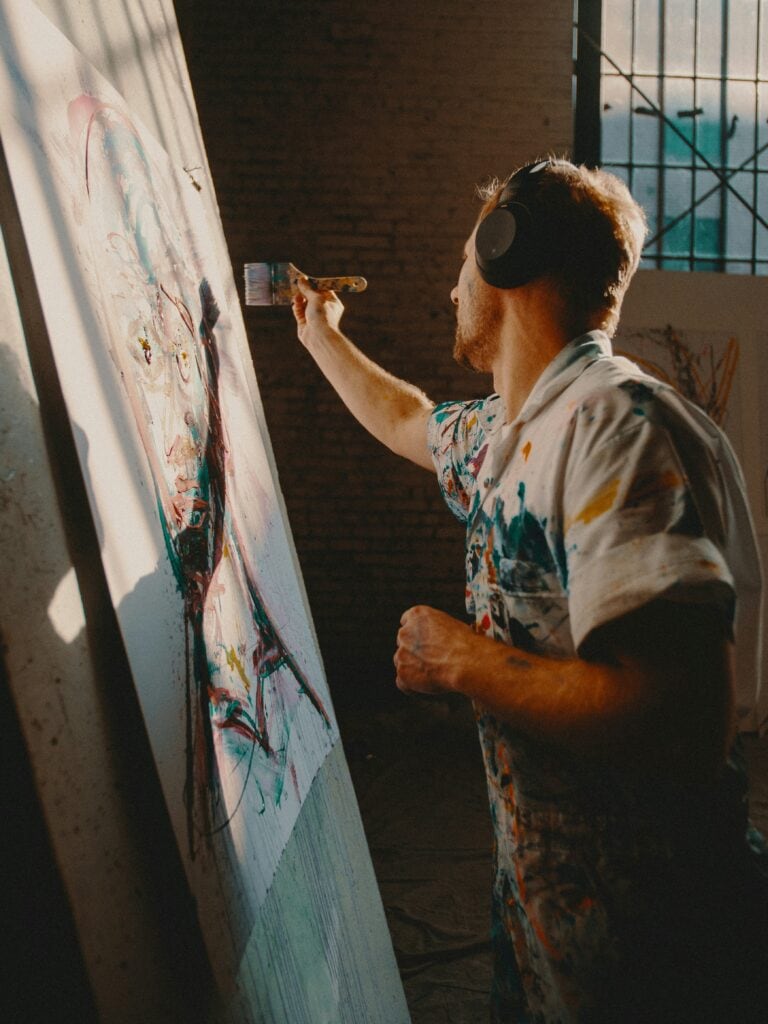
Engaging directly with an artist may feel daunting at first. You might wonder whether your questions are too basic, whether you’re taking up too much of their time, or whether admiring a piece without buying it is somehow impolite. Set those worries aside. Most professional artists genuinely welcome sincere curiosity about their work. A visitor who pauses, looks closely, and asks thoughtful questions is exactly the kind of audience an artist hopes for.

Approaching them with respect and interest often leads to meaningful conversations and a much deeper appreciation for what you’re looking at.

Begin with Genuine Interest

The simplest way to open a conversation is to share what you appreciate about a piece. You don’t need art world vocabulary to do this. Something as direct as “I keep coming back to this one” or “The light in this piece really caught my eye” signals that you’re responding to the work itself, not simply inquiring about price.

Artists notice the difference. When a visitor leads with authentic observation rather than a quick “how much?”, it tends to open the door to a much richer exchange. You may leave knowing something about the piece, and about the person who made it, that you wouldn’t have discovered otherwise.

Ask About Process and Inspiration

Questions about materials, technique, and inspiration allow you to better understand how a work came to be. They also signal to the artist that you see their practice as something worth understanding. Consider asking:

  • What materials or techniques were used?
  • What inspired this piece?
  • Would you describe your creative process?

These questions develop both intellectual and emotional connection to the work. You might discover that a painting took six months of layering, or that a sculpture was inspired by a specific landscape or memory. That context often transforms the way you see a piece — and makes it far more meaningful to live with.

Learn About the Artist’s Journey

Every artist has a story, the detour that led them to their medium, the mentor who changed their perspective, the series they’re currently wrestling with. Asking how they began, what influences their work, or what they’re currently exploring can add important context and depth to your experience. It also signals that you see them as a person, not just a vendor, which tends to make the entire conversation more honest and enjoyable for everyone involved.

Respect Professional Boundaries

Not all artists choose to share every aspect of their inspiration, and some prefer to let the work speak for itself. If an artist offers a brief answer, follow their lead rather than pressing further. Allow them to determine the level of detail they’re comfortable discussing. The conversation will be more rewarding when it unfolds naturally rather than feeling like an interview.

Introduce Practical Questions Thoughtfully

Once rapport has been established, it is entirely appropriate, and expected, to ask about pricing, editions, commissions, or additional available works. Artists are professionals, and discussing the practical side of a purchase is a normal part of the interaction. When handled naturally, these conversations feel professional rather than transactional.

For many first-time buyers, simply asking “How do you determine your pricing?” or “Do you work in other sizes or formats?” can transform uncertainty into clarity. You may find that a work you assumed was out of reach is more accessible than you imagined, or that the artist offers a payment plan, a commission option, or a smaller piece in the same series.

2. Originals vs. Prints: Understanding Value and Price Points

One of the most common questions among new collectors is why original works carry higher prices than prints. The distinction lies in uniqueness, labor, and the market’s recognition of both. Understanding this difference helps you make decisions that align with both your budget and your collecting intentions.

Original Artworks

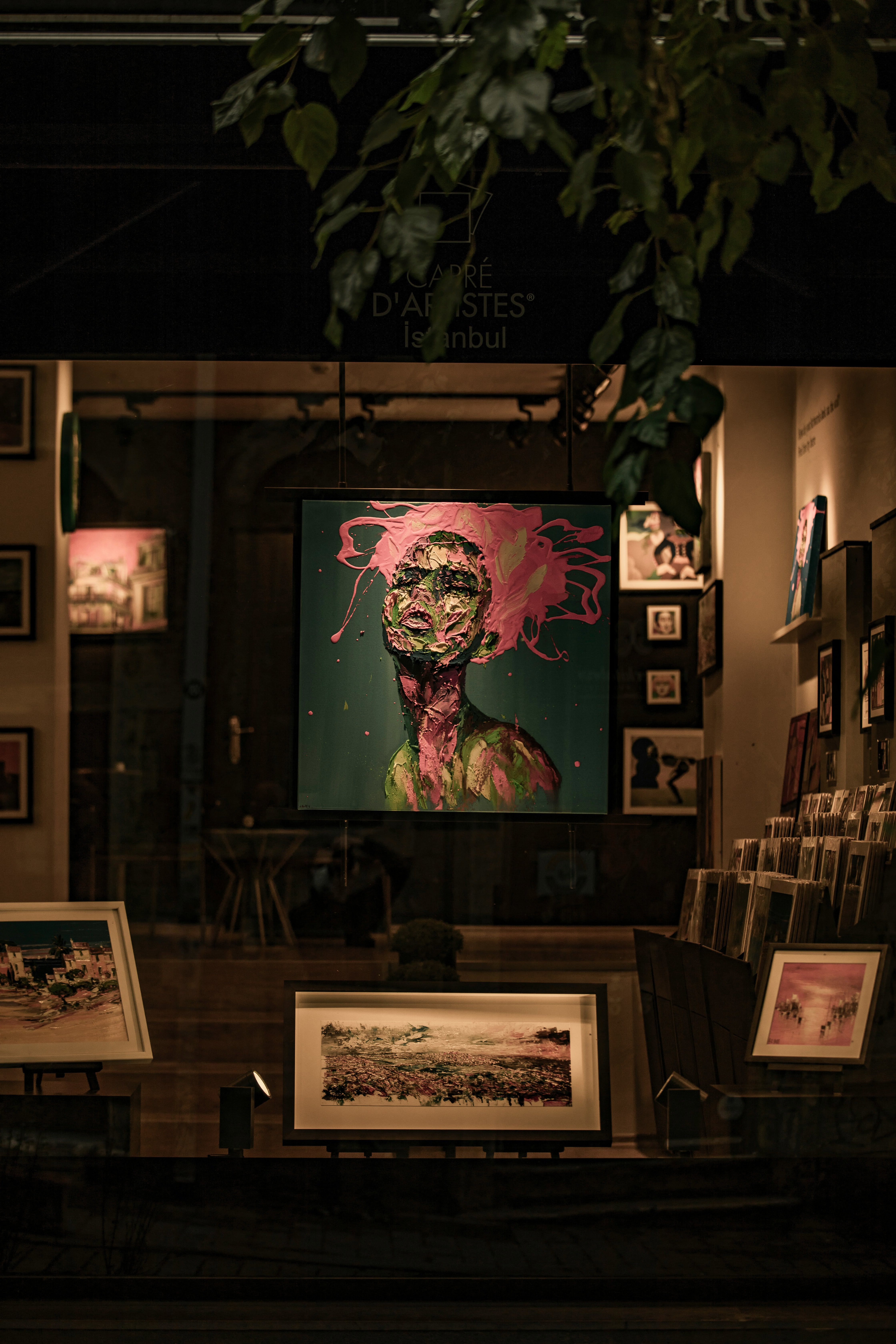
An original painting, drawing, or sculpture exists as a singular work. There is, and will only ever be, one. That one-of-a-kind nature contributes directly to its value, not because someone invented scarcity as a marketing strategy, but because the work carries the direct physical trace of the artist’s hand and intention.

The price of an original reflects not only materials, canvas, pigment, bronze, paper, but also the artist’s time, training, studio overhead, and the years of practice that made the work possible. For established artists with strong collector demand, prices can range from hundreds to thousands of dollars. For artists earlier in their careers, originals can be far more accessible.

Owning an original work means having a singular expression of the artist’s vision. No other collector owns what you own. That distinction, for many collectors, is the entire point.

Prints

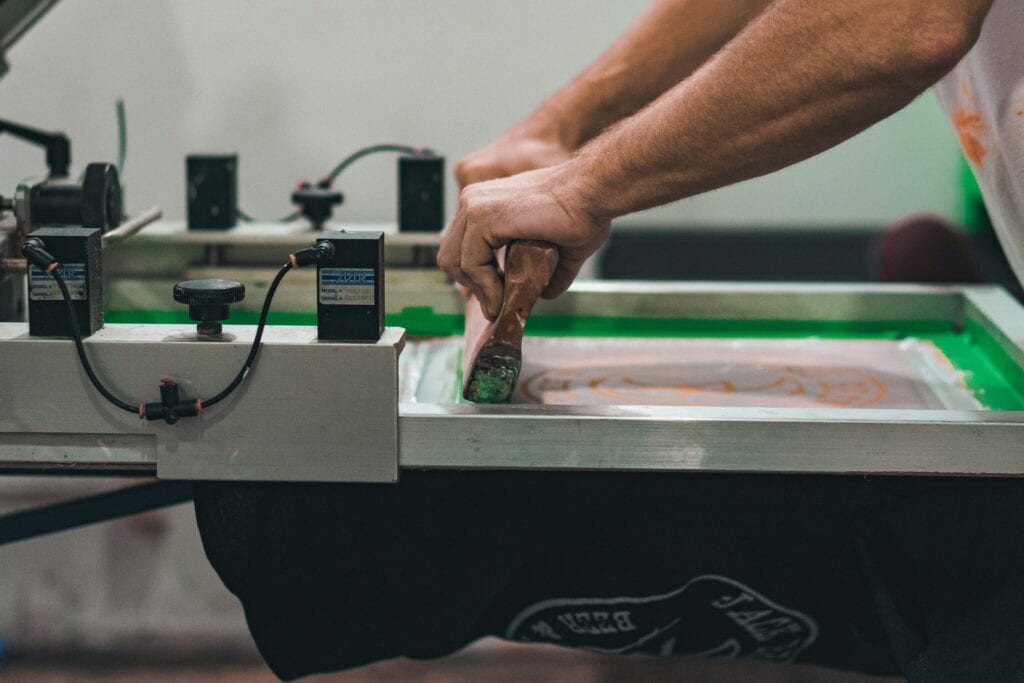
Prints are authorized reproductions of an original artwork, produced through a variety of methods such as giclée printing, screen printing, lithography, and others. They provide broader access at more accessible price points, and they represent a legitimate and meaningful way to support artists and build a collection.

Open edition prints are produced in unlimited quantities and are typically the most affordable option. Limited edition prints are produced in a fixed quantity and often signed and numbered by the artist, which gives them a degree of collectability and places them above open editions in value. A print numbered 3/50, for instance, is one of only fifty that will ever exist.

For new collectors, prints offer an excellent entry point. They allow you to live with an artist’s work, develop your eye, and support their practice while you build confidence and clarity about what you love.

Why the Distinction Matters

Prints provide affordability and accessibility. Originals offer exclusivity and long-term collectability. Both support artists. Both contribute to a thoughtful collection. The right choice depends on your budget, your intentions, and what you want your collection to represent. There is no wrong answer, only the one that’s right for you at this moment.

3. Measuring Your Space: A Practical Pre-Purchase Step

One of the most common purchasing mistakes is underestimating scale. A piece that feels commanding in a gallery can disappear on a large wall at home, while a work that seemed modest in a booth can overwhelm a small entryway. A few minutes of preparation before you shop can save you from this kind of disappointment.

Begin with Accurate Measurements

Before visiting a gallery or festival, take measurements of the spaces where you might hang new work. Record:

  • Wall width
  • Wall height
  • The width of any furniture the artwork will hang above (a sofa, bed, sideboard, or console)

Write these down and keep them in your phone. Having exact numbers on hand means you can evaluate a piece in real time rather than guessing and hoping.

Follow Proportional Guidelines

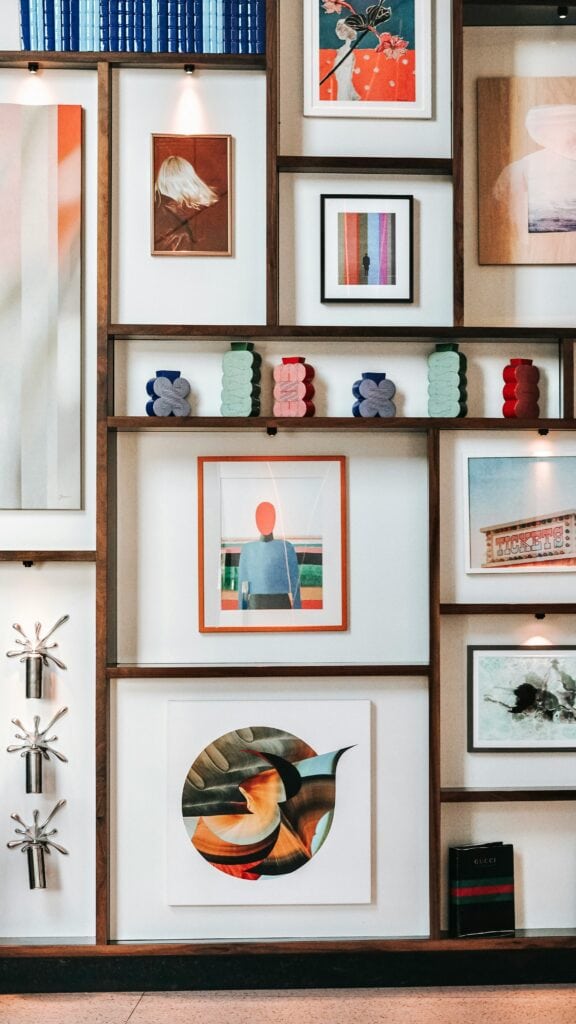
Design professionals generally recommend that artwork span approximately 60–75% of the width of the furniture or wall space beneath it. On a bare wall without furniture, aim for roughly two-thirds to three-quarters of the total wall width to create visual balance and a sense of intention. Going too small is one of the most common errors in home display. Artwork that floats in the center of a large wall can feel lost rather than considered.

Visualize Placement Before You Buy

If you’re uncertain about a piece’s scale, try this before committing. Use painter’s tape to outline the artwork’s exact dimensions on your wall at home. Step back and view it from across the room, from the doorway, from where you would typically sit. This simple exercise has saved many buyers from both buyer’s remorse and missed opportunities, sometimes a size you assumed was too large turns out to be exactly right.

Hang at Eye Level

In most residential interiors, the center of the artwork should sit approximately 57–60 inches from the floor, which aligns with average standing eye level. This guideline applies to most walls and most room types. Galleries use this standard for good reason: it keeps viewers comfortable and the work accessible.

Consider Spacing Above Furniture

When hanging artwork above furniture, leave approximately 6–12 inches between the bottom of the artwork and the top of the piece beneath it. Less than 6 inches can make the arrangement feel crowded and accidental. More than 12 inches can make the artwork feel disconnected from the furniture below, as though it belongs to a different part of the room.

4. How Artwork Is Selected in Galleries and Festivals: The Jury Process

If you’ve ever browsed a curated art festival or walked through a well-organized gallery exhibition and sensed a consistent level of quality, that is often no accident. Many galleries and festivals are juried, meaning artists are selected through a competitive review process rather than accepted automatically. Understanding how this works can give you greater confidence in the work you encounter.

Submission

Artists seeking to participate submit a portfolio of digital images along with an artist statement, and often a résumé or description of their practice. The submission process requires artists to represent their work thoughtfully and professionally, it is, in itself, a form of vetting.

Blind Review

In many juried processes, reviewers evaluate the artwork without knowing the artist’s identity. This blind review format is designed to reduce the influence of reputation or personal familiarity and keep the focus squarely on the quality of the work itself.

Evaluation Criteria

Submissions are assessed based on a range of factors including:

  • technical proficiency
  • originality
  • creativity
  • presentation
  • composition
  • overall impact

Jurors are typically working professionals, such as curators, critics, established artists, or arts administrators who bring informed perspective to the process.

Selection and Balance

Final selections consider not only the highest-scoring individual works, but also the overall coherence and diversity of the exhibition. Jurors aim to create a show or event that offers a range of media, styles, price points, and voices. A show that rewards sustained attention rather than simply rewarding the same approach over and over.

Notification

Artists are informed of acceptance or rejection after the review is complete. Some events provide waitlists or limited feedback to help artists strengthen future submissions.

For buyers, a juried exhibition is a meaningful signal. It means the work has been evaluated by knowledgeable eyes for quality and originality and that what you’re looking at earned its place in the room.

5. Supporting Professional Working Artists

When you purchase art from a gallery or festival, the transaction is more significant than it might first appear. You are not simply acquiring an object. You are participating, directly and meaningfully, in the livelihood of a working creative professional and in the broader ecosystem that sustains artistic culture.

Sustaining Creative Careers

For most artists, sales are not supplemental income, they are the income. Revenue from artwork sales covers studio rent, materials, framing, equipment, and living expenses. Each purchase is a concrete investment in an artist’s ability to keep working. It buys them the time and resources to make the next piece, and the one after that.

Strengthening Creative Communities

Thriving artists don’t work in isolation. They teach workshops, mentor emerging artists, participate in exhibitions, collaborate on public art, and contribute to the cultural fabric of the communities they live in. When you support an artist’s practice, you’re also supporting every person and project they touch.

Preserving Creative Diversity

Unlike mass-produced décor, original art reflects a specific perspective, a particular vision, a voice that exists nowhere else. Every artist brings something to their work that cannot be replicated or algorithmically generated. Supporting artists helps preserve that richness and ensures that the range of human experience continues to find expression in visual form.

Economic Ripple Effects

The impact of a single art purchase extends further than most buyers realize. Successful artists support galleries, art festivals, framers, photographers, printers, installers, and the many other professionals who make up the creative economy. Buying art is a choice that ripples outward through an entire community.

Becoming a Patron

Buying art is not merely decorative. It is participatory. When you collect with intention and when you choose work that moves you, ask questions, and build relationships with the artists whose work you love, you become part of the story of that work. Collectors are not passive observers of culture. They are among its most essential supporters.

Being a Confident Collector

Collecting art does not require advanced expertise, a large budget, or permission from anyone. It requires curiosity, a willingness to look closely, and the confidence to engage with what you find.

By understanding how to converse with artists, evaluate price points, measure your space, recognize juried quality, and appreciate the broader impact of your purchase, you move from hesitant observer to confident collector. The art world is not a closed room. It is an open conversation and you are welcome in it.

Step Into the Creative Process at the North Texas Arts Festival

If you’d like the opportunity to speak with artists about their creative processes and the stories behind their work, Carl Raschke, a professor from the University of Denver, will host an interactive artist talk at the North Texas Arts Festival this May at the Katy Depot.

The discussion will explore the history of art in Denison, including the fascinating connection between local lakes and artists, and why the city’s art scene has been flourishing in recent years. Audience members will also have the chance to interact directly with a panel of artists, asking questions about their artwork, techniques, inspiration, and artistic journeys.

This engaging lecture and Q&A offers a rare opportunity to go behind the scenes with working artists and explore both the mental and physical process of creating art.

Ready to experience a wide range of artwork and talk with the artists who bring it to life? Learn more about the festival here: https://denisonartscouncil.org/cultural-arts-programs/north-texas-arts-festival/

Stay In Touch

Be the first to know about new arrivals and promotions

The Confident Collector

A Beginner's Guide to Buying Original Art