

Preserving the Past: The Center for Art Conservation Finds a Home in Denison
By: Jennifer Branson
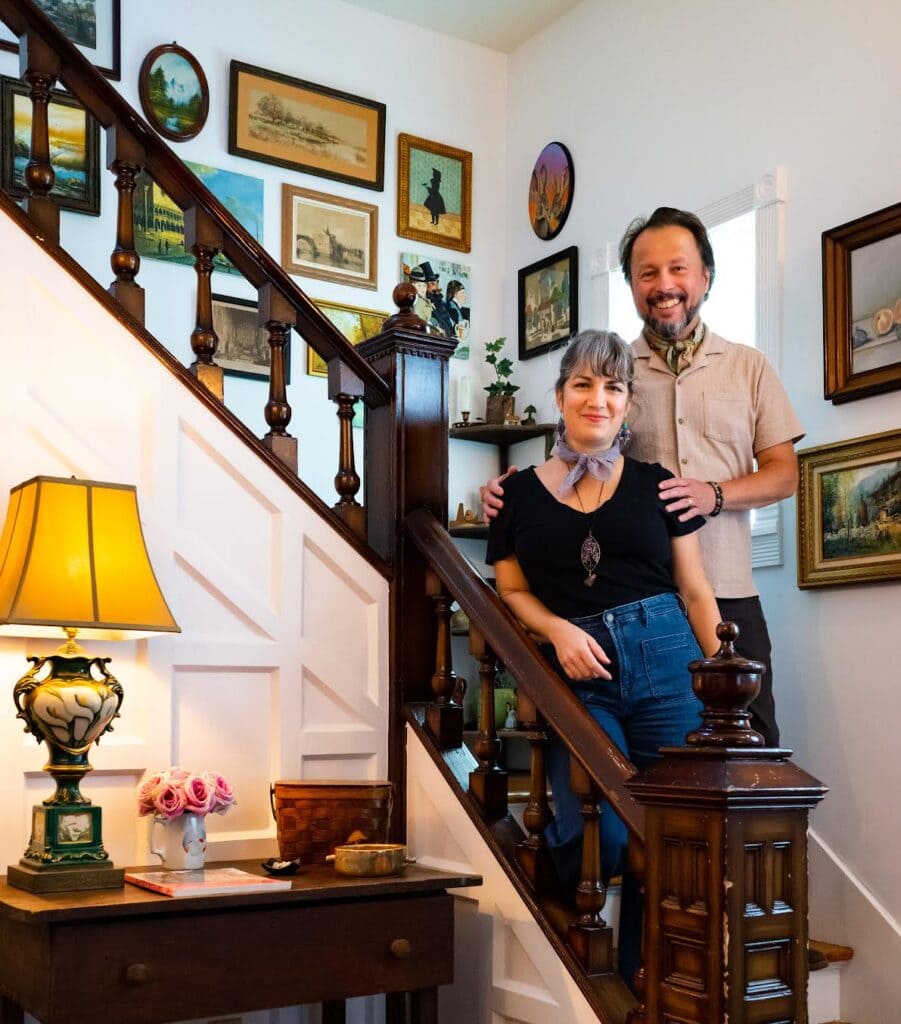
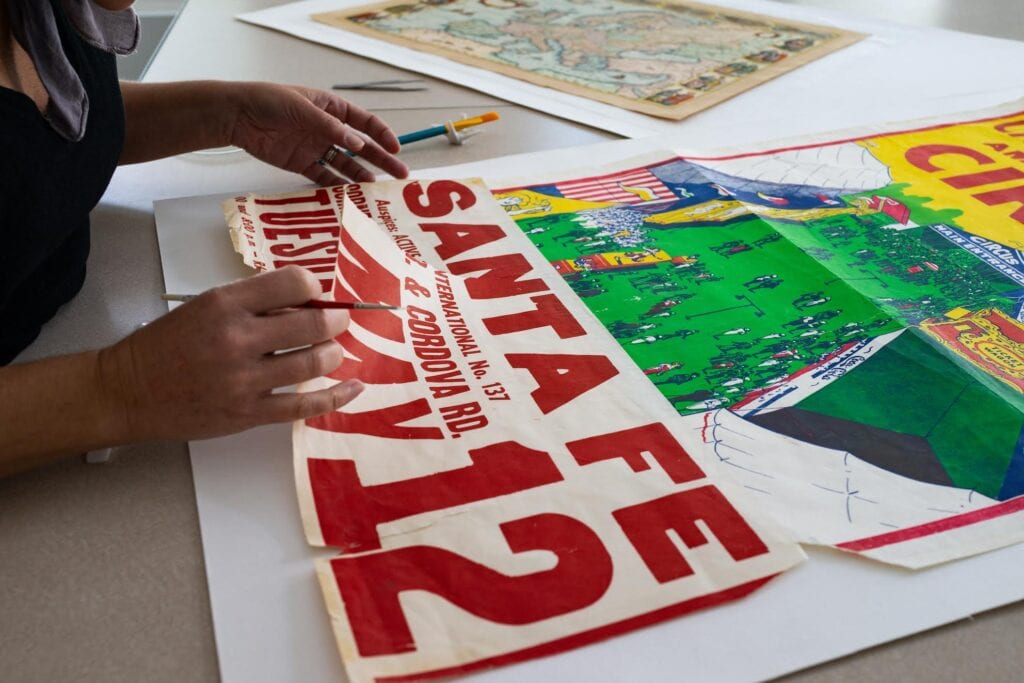
Tucked inside a restored 1899 Victorian house in Denison, Texas, The Center for Art Conservation is a special place where history comes back to life. It is owned and run by Tish Brewer, a professional art conservator, who works closely with her husband, David. Together, they care for all kinds of paper-based items such as prints, maps, letters, posters, books, sculptures made of paper, manuscripts, parchment, paper ephemera, and even papier-mâché.
Tish and David are a two-person team who work on items from all kinds of time periods. Some are hundreds of years old, and others are more recent. Tish has helped save rare historical documents, works of art, and even contemporary pieces. She is known for being meticulous and deeply committed to saving important pieces of the past.
Most of their projects happen in their studio, but sometimes they travel to work on-site, especially for museums. Tish also gives lectures and teaches workshops to help others learn how to care for paper. She gives advice to museums and other organizations about how to safely display and store paper items to help them last longer.
Tish first discovered the field of art conservation when she was in college. She was studying studio art and chemistry when she met art handlers who told her about a job that combined art, science, history, archaeology, and even language. That idea excited her, and she decided to focus her education on conservation.
After college, she worked three jobs while doing internships in painting, sculpture, and bookbinding. These experiences helped her figure out what she liked best. She later went to graduate school to study book and paper conservation, and that is when she realized her true passion was working with paper.
In 2007, she started her own art conservation business in Dallas. At the time, there were not many jobs available in the field, but Tish knew the work was still needed. She did not take out any loans. Instead, she rented a small 700-square-foot space inside a former candy factory and used every penny she earned to grow her business. Her early clients found her by word of mouth, and over time, her reputation grew.
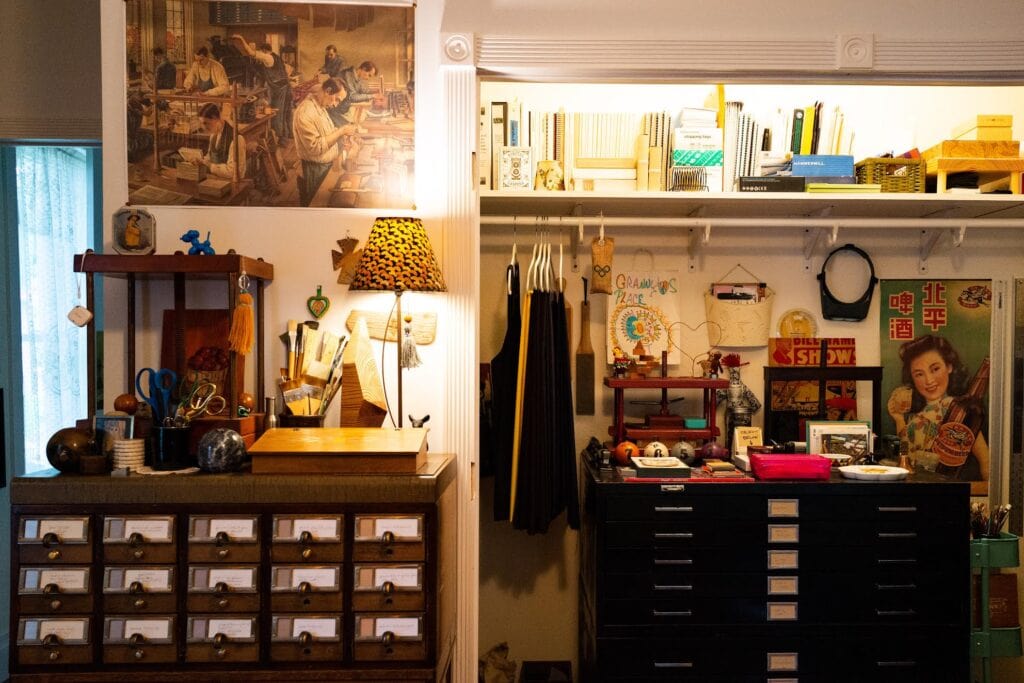
David started helping out part-time and eventually joined full-time. They doubled the size of their studio and began taking on larger and more detailed projects. Even as The Center for Art Conservation grew, they chose not to hire more staff. Since the amount and type of work changes from year to year, staying in a team of two gives them the flexibility they need. Also, because they often work on flat paper items, they needed more space for large tables but not necessarily more people.
Like many small businesses, they have had tough times. The hardest was during the COVID-19 pandemic, when jobs suddenly disappeared. As two self-employed people, they had to think quickly. Tish found temporary museum jobs nearby, worked on an architectural restoration project, and searched for grants to help them stay afloat. It was not easy, but their hard work paid off. The Center for Art Conservation not only survived, it came back stronger. Tish believes that every challenge is also a milestone. Whether it is solving a difficult conservation puzzle or completing another successful year in business, those moments are worth celebrating.
One big milestone was moving their studio from Dallas to Denison. Tish first discovered Denison during long drives to visit a museum client in Northwest Arkansas. She was drawn to the small-town charm, the love of history, and the growing creative scene. When their Dallas space became hard to manage, she and David made a list of what they wanted in a new place. Denison checked every box: welcoming people, a strong arts community, and lots of local businesses. Even though their studio is not located inside the Cultural Arts District, they are still very active in the community. Moving into a historic Victorian home also felt like the perfect match for their work. They are preserving history inside a piece of history.
Even though art conservation may sound glamorous, Tish says it is actually very technical and challenging. The items they work on are often fragile and cannot be replaced. That brings a lot of responsibility. It takes years of education and hands-on training to learn how to do the work properly.
Paper is especially tricky. It can tear, fade, get brittle, or become stained. Fixing it takes the right tools, a steady hand, and a lot of experience. But with enough skill and care, even badly damaged items can often be saved. One of Tish’s favorite parts of the job is seeing someone’s face light up when they realize something they thought was ruined can be brought back to life.
“Bring your gumption and get ready to wear a lot of hats.”
Some of her most meaningful projects are the ones that hold personal or local value, such as family keepsakes or town records that help people feel connected to their past. These items often carry a lot of emotion, and helping preserve them is something Tish truly loves.
For anyone interested in getting into art conservation, Tish offers this advice, “Bring your gumption and get ready to wear a lot of hats.” Starting a business like this can feel overwhelming, but she says it is all about taking it one step at a time. She encourages people to stay curious, find mentors, learn from their community, and always be kind and easy to work with. The field is competitive and can be tough to break into, but with dedication, it is possible.
Right now, The Center for Art Conservation is working with the Red River Railroad Museum, The Sherman Museum, and the Denison Arts Council. Tish is also preparing for a national project tied to the 250th anniversary of the United States, which will involve preserving and exhibiting important historic documents. She hopes to be part of an upcoming conservation effort at The Alamo as well.
As North Texas continues to grow, Tish sees more chances to teach people about why it is important to protect art and history. She believes small businesses like hers make a town unique. They offer one-of-a-kind experiences and help people feel more connected.
Even though the studio does not have a storefront, Tish and David are very active in Denison’s arts scene. You might spot them at a local event with their friendly cattle dog. They love chatting about art, history, and the special work they do, and would love it if you said hello!
To learn more about The Center for Art Conservation, visit:
🌐 www.centerforartconservation.com