The Ofrenda: A Bridge of Memory, Love, and Celebration
By: Jordan May
Here at the Denison Arts Council, we believe in the power of art to connect us—to our neighbors, to our history, and to the deepest parts of our shared human experience. As we prepare for our annual Día de los Muertos celebration in Denison, we want to explore one of the most beautiful and meaningful traditions of this holiday: the ofrenda. More than just a display, the ofrenda is a vibrant, love-filled altar that serves as a temporary bridge between the living and the spiritual world, inviting our departed loved ones to come home.
Ancient Roots and Fused Traditions
The story of the ofrenda begins long before the Spanish arrived in the Americas. Indigenous peoples of what is now Mexico, including the Aztecs and Toltecs, held a cyclical view of the universe, where death was not an end but a natural and celebrated part of life. For these cultures, the bonds with ancestors were vital, and they held elaborate, months-long festivals to honor them. One of the most important figures in these ancient beliefs was the goddess Mictecacihuatl, the “Lady of the Dead,” who watched over the bones of the deceased. These festivals involved offerings, dance, and food to honor her and the spirits of ancestors, ensuring they were remembered and their journey in the afterlife was supported.

When the Spanish conquistadors arrived in the 16th century, they brought Catholicism with them. The indigenous traditions, deeply woven into the fabric of daily life, did not disappear. Instead, they merged with Catholic observances, particularly All Saints’ Day (November 1st) and All Souls’ Day (November 2nd). This beautiful syncretism gave birth to the Día de los Muertos we celebrate today—a holiday that retains its ancient reverence for ancestors while incorporating new spiritual elements. The ofrenda, or offering altar, became the physical centerpiece of this fused tradition.
The Heart of the Celebration: Building an Ofrenda
An ofrenda is a deeply personal and creative expression of love. While no two are exactly alike, they are traditionally built with items that represent the four essential elements of nature, creating a multisensory experience that guides the spirits home.

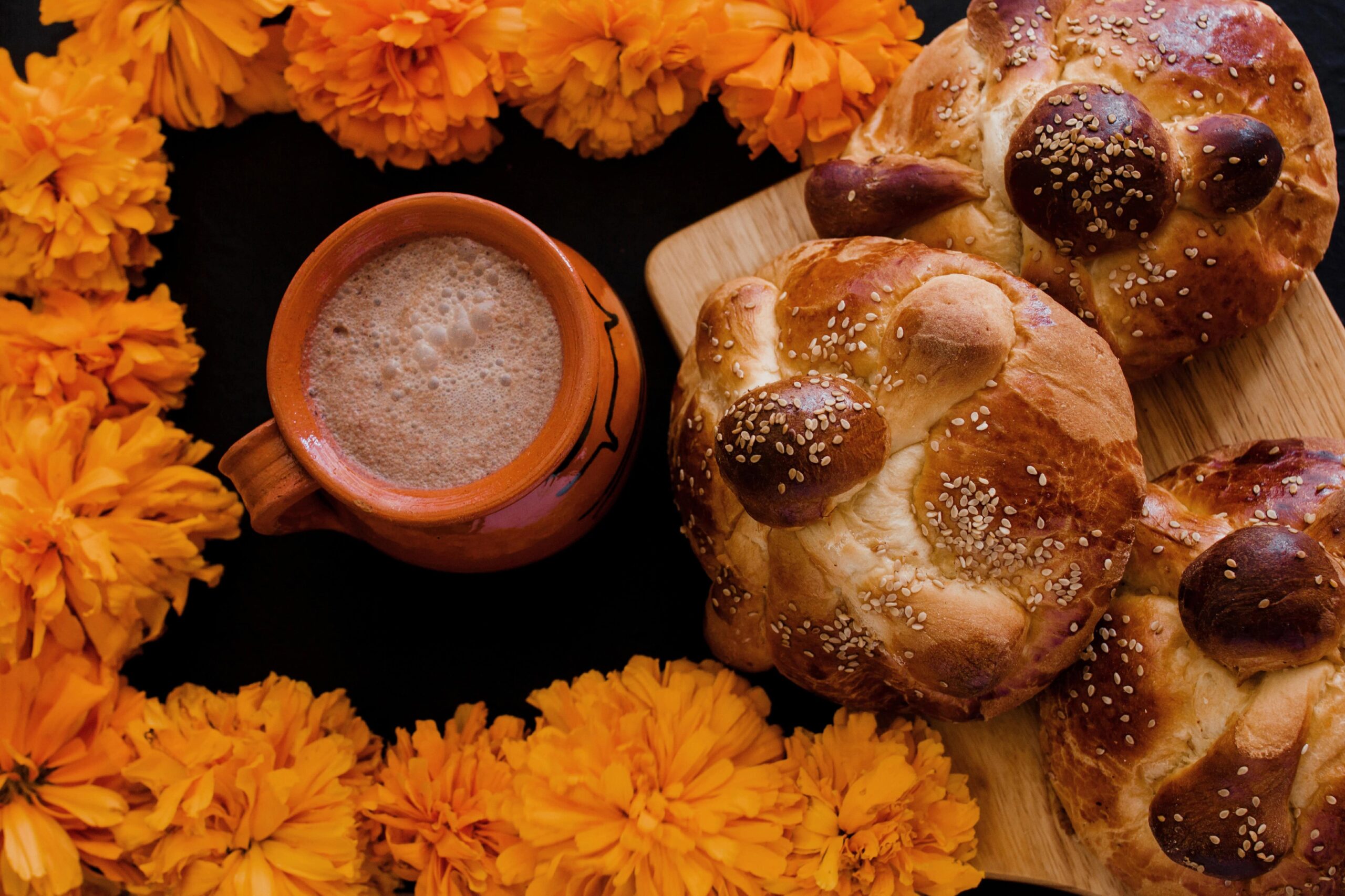
- Earth: This element is represented by nourishment. The aroma of food is believed to nourish the souls of the dead after their long journey. Altars are laden with the favorite dishes and drinks of the departed, along with seasonal fruits and, most iconically, pan de muerto. This “bread of the dead” is a sweet, often orange-flavored loaf, with pieces arranged on top to resemble bones.
- Wind: The delicate movement of papel picado—intricately cut, colorful tissue paper—symbolizes the wind and the arrival of the spirits. Its fluttering whispers that the souls have come to visit.
- Fire: Candles are essential. They are placed on the ofrenda to light the way for the spirits, guiding them from the afterlife to the world of the living. Often, a candle is lit for each soul being remembered, with an extra one for any forgotten soul who may need guidance.
- Water: A pitcher or glass of fresh water is placed on the altar to quench the thirst of the spirits after their arduous journey. It also symbolizes purification and the gift of life.
Beyond these four elements, ofrendas are adorned with other symbolic items. Bright orange and yellow marigolds, or cempasúchil, are known as the “flower of the dead.” Their pungent aroma is believed to be strong enough to attract the souls and lead them to the altar. Copal incense, made from tree resin, is burned to purify the space and carry prayers to the heavens. Salt is often placed in a small dish as an element of purification, protecting the body so it can return the following year.
The most personal items on the ofrenda are the photographs of the deceased, placing them at the center of the celebration. Surrounding the photos are calaveras, or sugar skulls, often with the names of the departed written on the forehead, representing the sweetness of life in the face of death. Finally, families will place personal belongings of the loved one—a favorite book, a set of tools, a piece of jewelry, or even a pack of cigarettes—to help them feel welcomed and cherished.
A Living Tradition in Denison, Texas
The tradition of building ofrendas is not a relic of the past; it is a vibrant, living practice that strengthens family and community bonds. It is an act of remembrance that transforms grief into a joyful reunion, a way to share family stories and ensure that younger generations know where they come from.
Here in Denison, the Denison Arts Council is proud to bring this beautiful tradition to our community through our annual Día de los Muertos festival. Our celebration is a way to honor and share the rich cultural heritage of our Mexican and Mexican-American neighbors. We aim to educate, to showcase the incredible talents of artists and performers, and to create a welcoming space where everyone can experience the joy and meaning of this holiday.

During our festival, the streets of our town come alive. You’ll see businesses and community members throughout Downtown Denison participating by creating their own stunning window displays and ofrendas. It’s a testament to how this tradition can bring a whole community together in a shared act of beauty and remembrance. With live music, dancers, a vibrant parade, and artist booths, our festival is a celebration of life, art, and memory.
The ofrenda teaches us a powerful lesson: that our relationships with those we love do not end with death. As long as we remember them, as long as we tell their stories and set a place for them at our table, they remain with us. The ofrenda is more than an altar; it is a declaration that love and memory are eternal. We invite you to join us in this beautiful celebration and perhaps even take a moment to remember the loved ones who have shaped your own life.