
Strings of Memory and Mirth: The Historical Significance of Puppets in Día de los Muertos
By: Jordan May
Here at the Denison Arts Council, as we eagerly anticipate our annual Día de los Muertos celebration, we often focus on the iconic ofrendas, the vibrant marigolds, and the sweet taste of pan de muerto. However, beneath the surface of this rich cultural tapestry lies another fascinating tradition, often overlooked but deeply resonant: the role of puppets in Día de los Muertos. These seemingly simple figures, brought to life by human hands, hold a surprising historical significance, weaving together threads of storytelling, satire, remembrance, and even social commentary within the broader context of this powerful holiday.
Ancient Storytellers and the Breath of Life
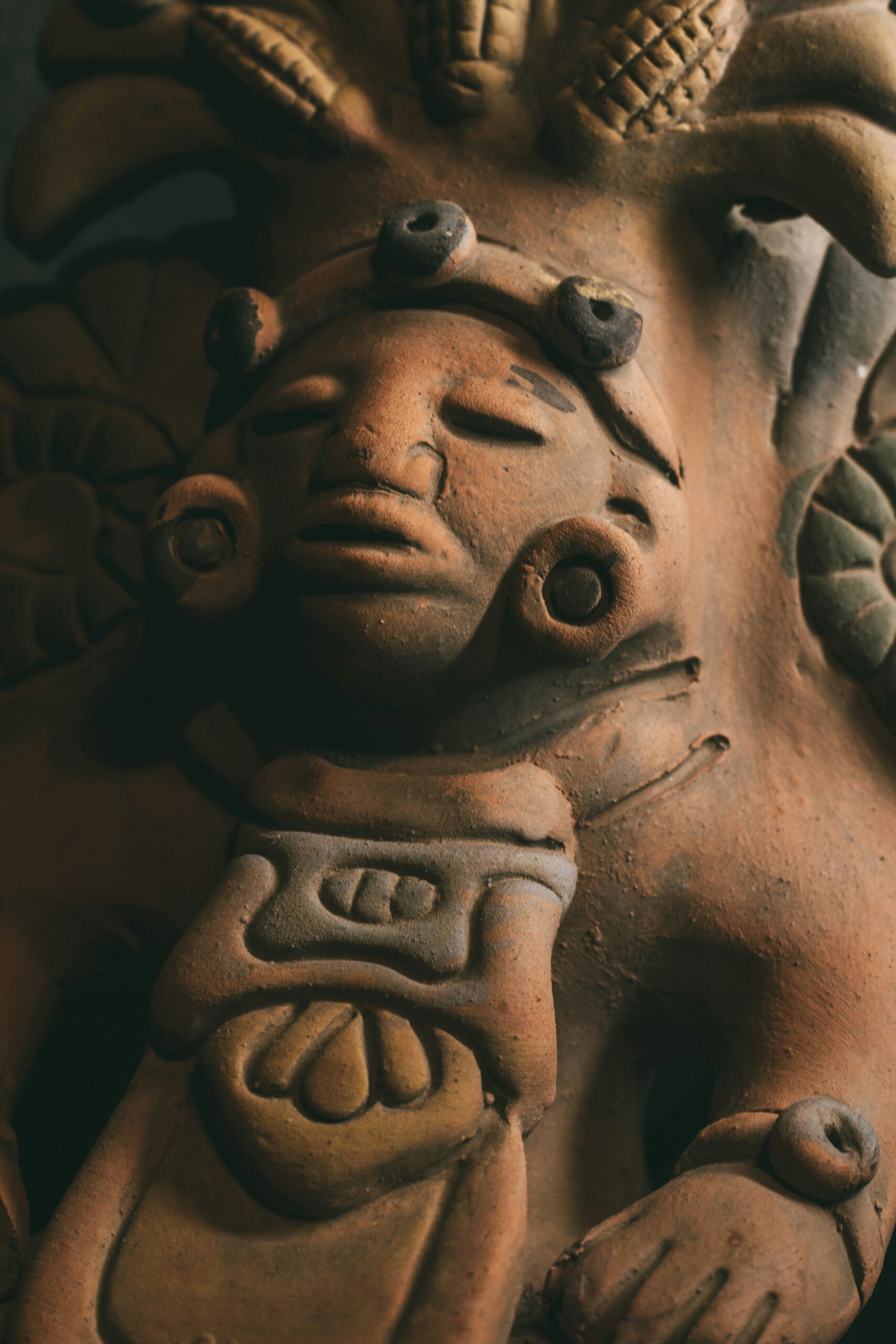
The connection between puppetry and honoring the dead stretches back centuries, predating even the fusion of indigenous beliefs with Catholicism that defines modern Día de los Muertos. In many ancient cultures around the world, puppets were more than mere entertainment; they were seen as vessels capable of embodying spirits and conveying important narratives. Within the pre-Hispanic civilizations of Mesoamerica, performance and storytelling played a crucial role in religious ceremonies and the transmission of history. While direct archaeological evidence specifically linking articulated puppets to ancient death rituals might be scarce, the prevalence of figurines, masks, and theatrical performances suggests a cultural landscape where embodied storytelling, akin to puppetry, likely held significant meaning in connecting with the spiritual realm and honoring ancestors.
The very act of manipulating a puppet – giving it voice, movement, and character – can be seen as imbuing it with a temporary form of life, a breath animated by the puppeteer. This mirrors the central theme of Día de los Muertos: the temporary return of the spirits of the deceased to the land of the living. The puppet, in this context, becomes a symbolic representation of this fleeting reanimation, a tangible manifestation of a presence that is both absent and momentarily present.
The Arrival of the Spanish and the Evolution of Puppetry
With the arrival of the Spanish, European puppetry traditions were introduced to the Americas. These often included religious dramas and morality plays, which were used as tools for conversion and instruction. However, the indigenous people did not simply adopt these forms; they adapted and integrated them with their own cultural expressions. This fusion led to unique forms of puppet theater that often incorporated elements of satire and social commentary, providing a subtle yet powerful way to critique the new colonial order.
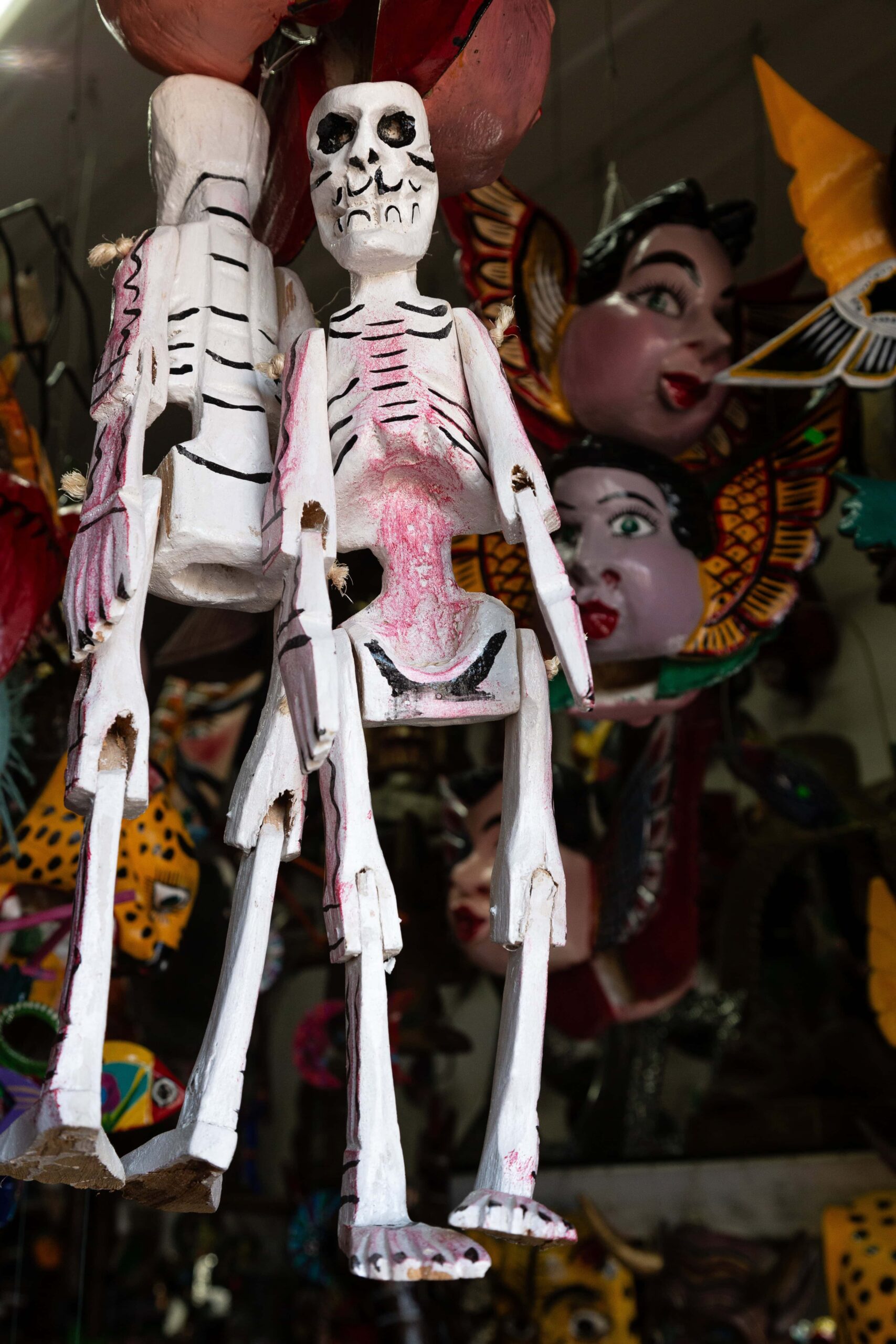
While explicitly documented links to Día de los Muertos in the early colonial period might be limited, it’s plausible that puppets began to find their place within the evolving traditions. The inherent theatricality of puppetry and its ability to convey stories in an engaging manner would have resonated with the existing practices of remembrance and celebration. The use of skeletal figures and representations of death, which were already prevalent in indigenous art and beliefs, could have easily translated into puppet form.
Puppets as Vehicles for Satire and Social Commentary
Over time, particularly in the 19th and 20th centuries, puppets became more explicitly linked to the socio-political undertones that often accompany Día de los Muertos. The holiday has long been a time for Mexicans to playfully mock death and even critique political figures and social issues. Puppets, with their inherent ability to caricature and exaggerate, proved to be an ideal medium for this satirical expression.
Over time, particularly in the 19th and 20th centuries, puppets became more explicitly linked to the socio-political undertones that often accompany Día de los Muertos. The holiday has long been a time for Mexicans to playfully mock death and even critique political figures and social issues. Puppets, with their inherent ability to caricature and exaggerate, proved to be an ideal medium for this satirical expression.
Remembrance Through Performance: Keeping Stories Alive
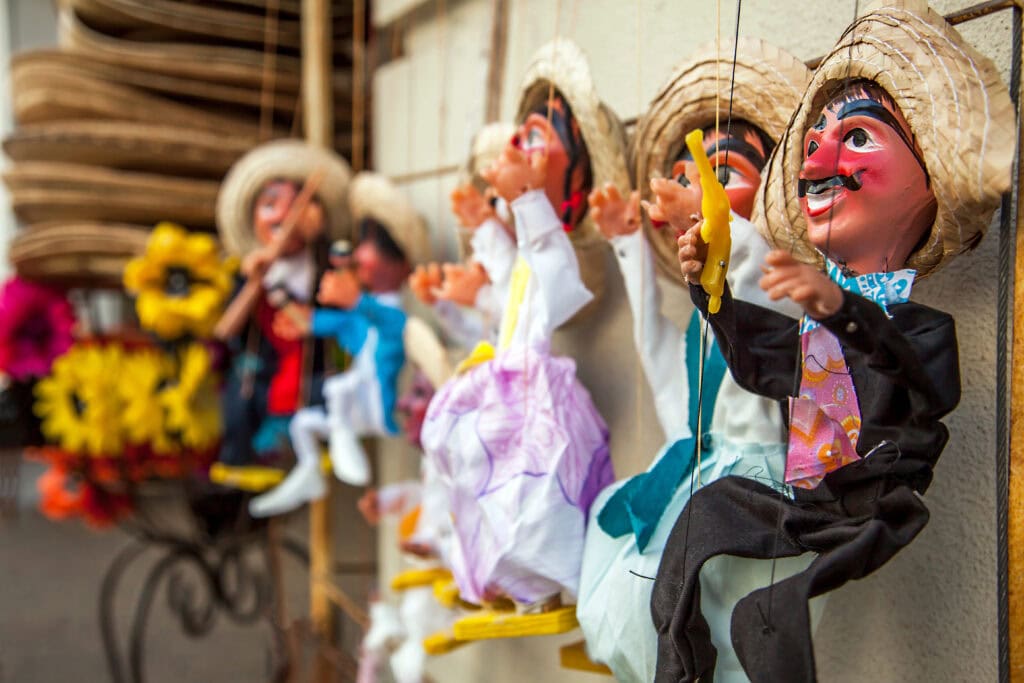
Beyond satire, puppets also served as a powerful tool for remembrance during Día de los Muertos. Puppet shows could recount the life stories of deceased loved ones, highlighting their accomplishments, their quirks, and the impact they had on their families and communities. By bringing these stories to life through puppetry, families could ensure that the memories of those who had passed remained vibrant and were passed down to younger generations. The visual and performative nature of puppets made these stories particularly engaging for children, fostering a connection with their ancestors in a meaningful and entertaining way.
Imagine a puppet show depicting a beloved grandfather’s adventures as a young man, or a humorous retelling of a cherished family anecdote featuring puppet versions of the departed. These performances transform remembrance from a solemn act into a lively celebration of a life lived, filled with laughter and shared memories. The puppets become tangible links to the past, keeping the spirits of the deceased alive in the hearts and minds of the living.
The Enduring Legacy: Puppets in Modern Día de los Muertos Celebrations
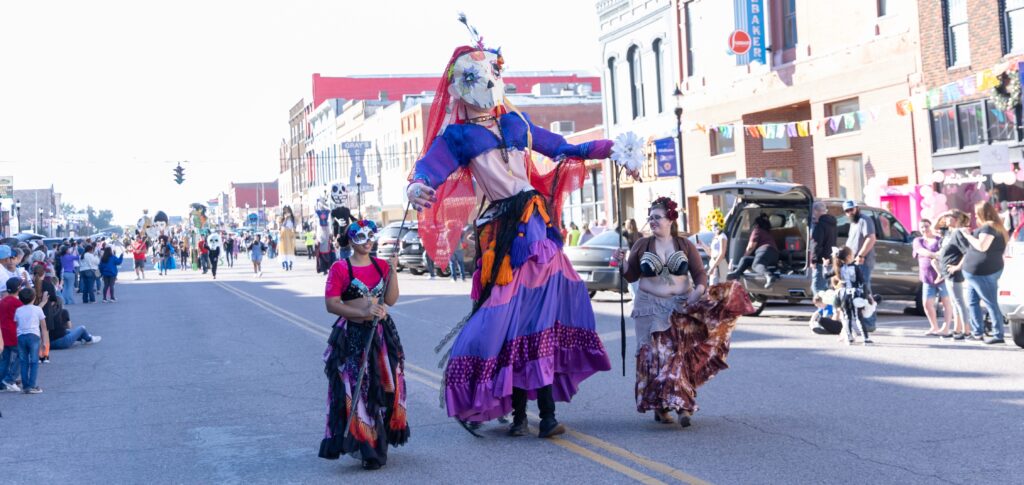
Today, puppets continue to hold a special place in modern Día de los Muertos celebrations, and we are proud to see this art form thriving right here in Denison. This living history is most visible during our annual Día de los Muertos parade, where magnificent, larger-than-life puppets dance through the streets, bringing with them the joy and satirical spirit of the holiday. Their presence connects our local event directly to the centuries-old tradition of performance and remembrance.
The excitement often begins even before the main event. In the spirit of community celebration, one of our downtown establishments frequently hosts a lively party the night before the parade, where attendees can mingle and celebrate with the puppets up close. This wonderful prelude sets the stage for the grand parade and highlights how the entire community comes together to honor this rich cultural heritage. You can find more details about our annual festival at the Denison Arts Council’s website.
The history of puppets in Día de los Muertos is a testament to the enduring power of storytelling. From ancient echoes of embodied narratives to modern-day satirical performances, these figures, brought to life by human hands, continue to dance their way through the celebrations, reminding us that memory and laughter are vital parts of honoring those who have gone before us.